How to Choose the Right Telecommunication Cabinet

Modern communication networks require more than the latest technology and fast connections. What lies behind every successful communications network is a well-designed telecommunications cabinet which protects cables, safeguards equipment and guarantees uninterrupted performance. If you're creating a new network or improving existing ones, choosing the right telecommunications cabinet is essential to ensure long-term efficiency, security, safety, and capacity.
In this post, we'll walk you through the key details you need to select the right telecommunications equipment, along with helpful tips for 2025 and beyond. From airflow and dimensions to expansion and security plans, this guide will help you make an informed choice.
What Is a Telecommunication Cabinet?
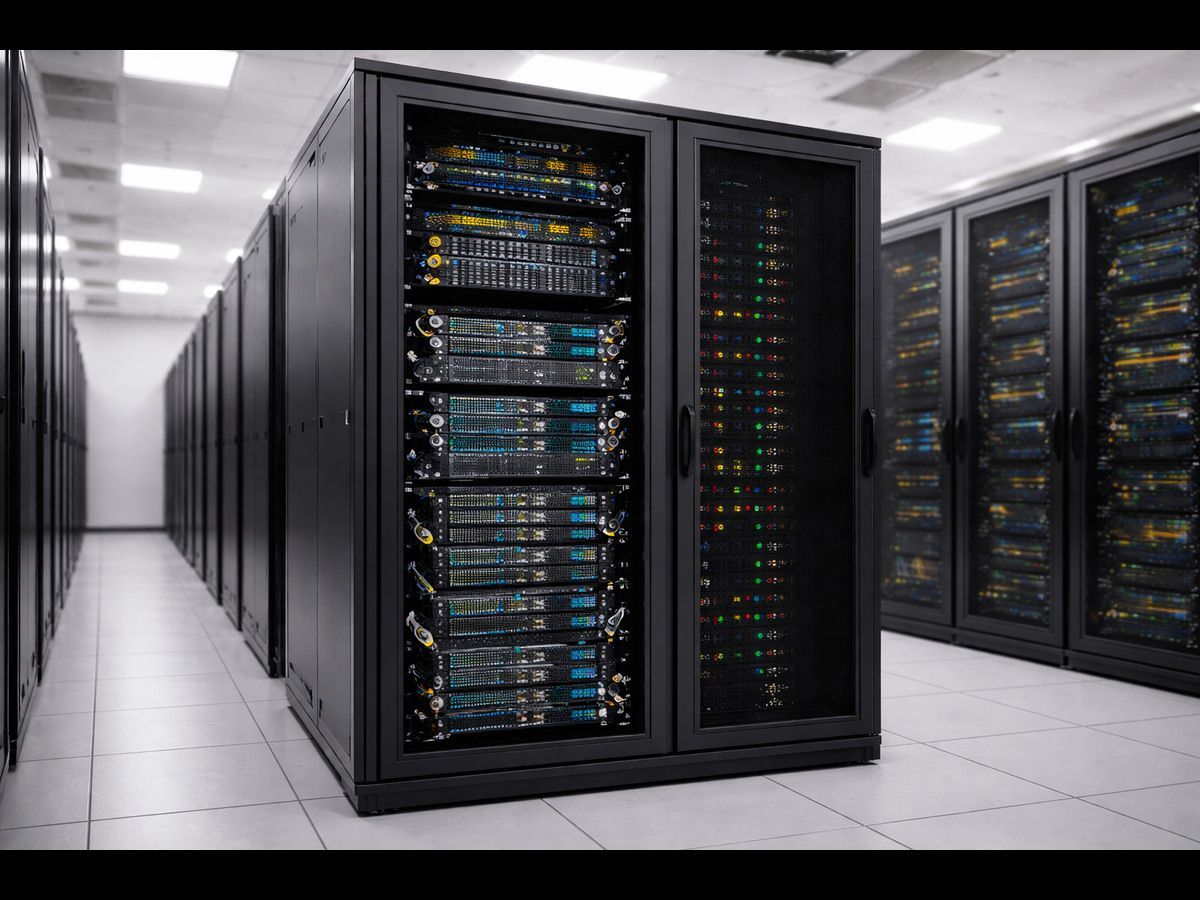
A Telecommunications Cabinet is a secure enclosure designed to house networking and telecom equipment, such as patch panels, switches, servers, and routers, along with power and data systems. Cabinets are useful for organizing infrastructure, protecting delicate devices, and ensuring proper airflow to maximize performance.
Unlike open cabinets and racks, telecommunications cabinets are closed, making them ideal for areas where security, dust, and noise control are crucial.
Why Choosing the Right Telecommunication Cabinet Matters
A poor choice in telecom equipment could lead to excessive heat, cable problems or maintenance issues. This can result in lengthy downtime. The right cabinet can boost your system's reliability, speed up upgrades, and extend your equipment's lifespan.
In today's high-density telecom environments, the telecommunications cabinet isn't just a storage unit; it's an essential component of network performance.
Key Factors to Consider When Choosing a Telecommunication Cabinet
1. Cabinet Size and Rack Units (U Height)
The first step in selecting the right telephone cabinet is determining the amount of space you'll need. Cabinets are measured in rack units (U), where 1U equals 1.75 inches.
Do you think:
- Which devices are installed?
- How much space do you require to expand in the future?
It is always recommended to choose a more modern telecommunications cabinet to avoid running out of space in the near future.
2. Load Capacity and Build Quality
Telecom equipment is often heavy, especially when multiple gadgets are linked. A high-quality telecommunications cabinet should be built with a strong steel frame that can support the entire load without bending or deforming.
Cheap cabinets can reduce upfront costs, but they often deteriorate over time. Cabinet durability is vital, particularly in professional and industrial settings.
3. Ventilation and Cooling Design
Heat is among the main challenges faced by telecom equipment. A lack of airflow within a telecommunications cabinet can lead to overheating or reduced performance. It could also cause the equipment to fail.
Look for cabinets that include:
- Doors with perforations at the front and back
- Optional Fan Mounting
- The most appropriate airflow routes
Proper ventilation will ensure continuous operation and reduce maintenance costs.
4. Cable Management Features
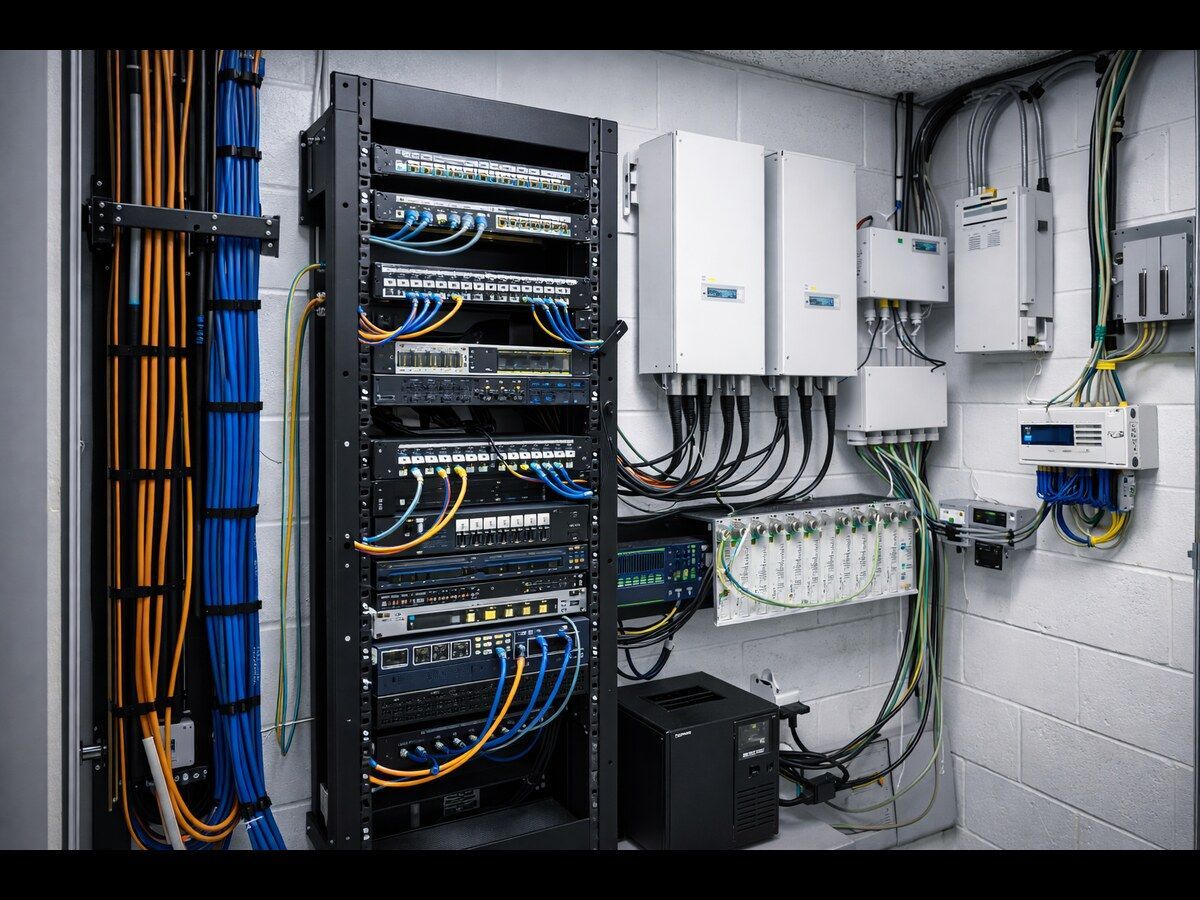
The clutter of cables makes maintenance difficult and could hinder airflow. A well-designed telecommunications cabinet features built-in cable management, including vertical organizers, cable entry points, and back panels for access.
Effective cable management:
- Improves airflow
- Reduces troubleshooting time
- It also makes future upgrades much easier
It is usually overlooked, but it can have an important impact on use.
5. Security and Access Control
If telecommunications equipment is in a shared or semi-public area, security is crucial—requiring lockable doors and side panels to prevent unauthorized access and protect the equipment from harm.
Security is the top priority for mission-critical installations. Security shouldn't be an afterthought.
Indoor vs Outdoor Telecommunication Cabinets
Not all telecommunications cabinets are made to function similarly.
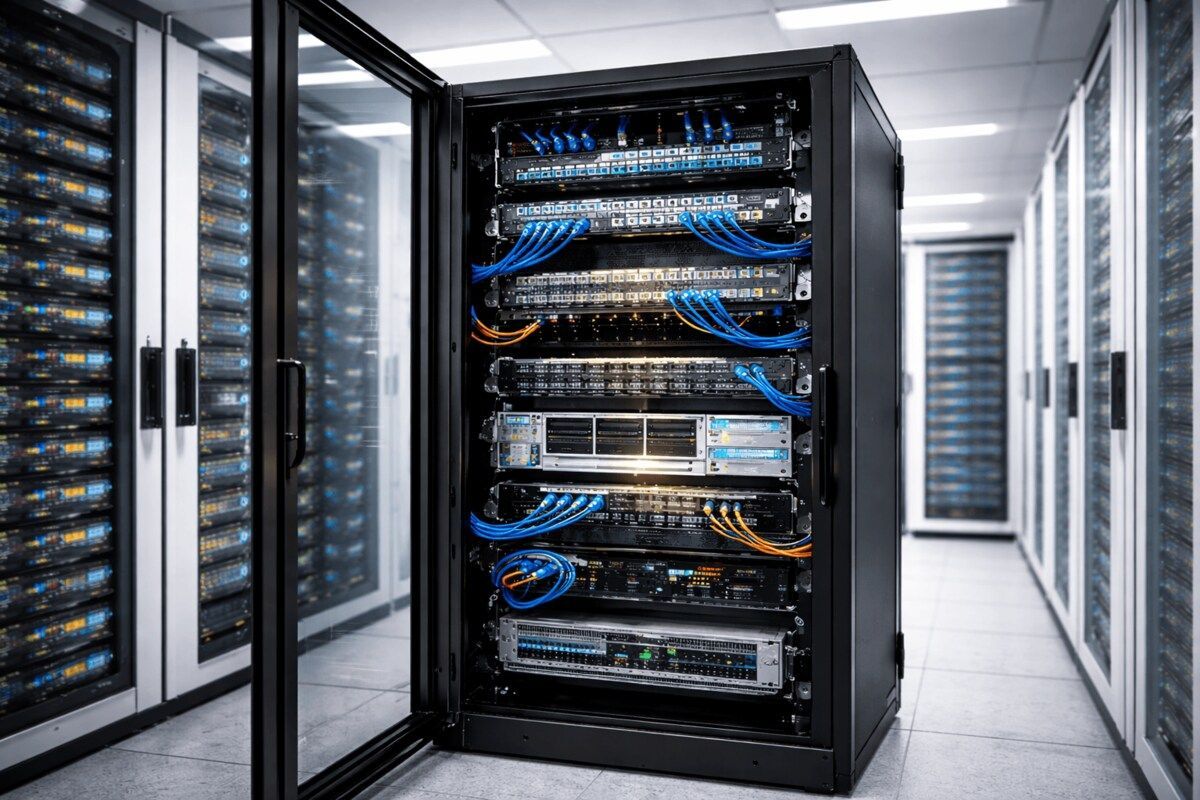
Indoor Telecommunication Cabinets
- The ideal location for offices, data centres, and server rooms
- Focus on the movement of air, the organization, and accessibility
- Usually, they're less heavy and are easier to install
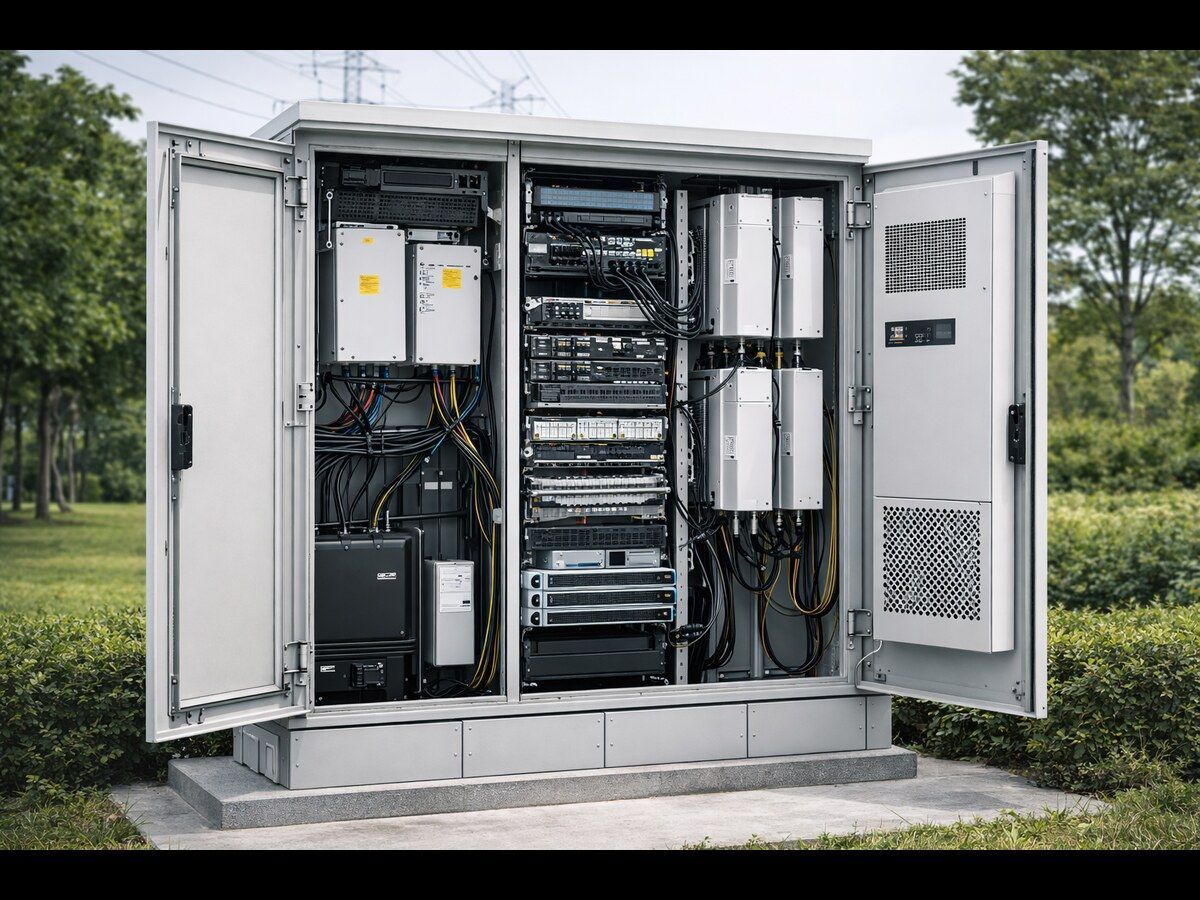
Outdoor Telecommunication Cabinets
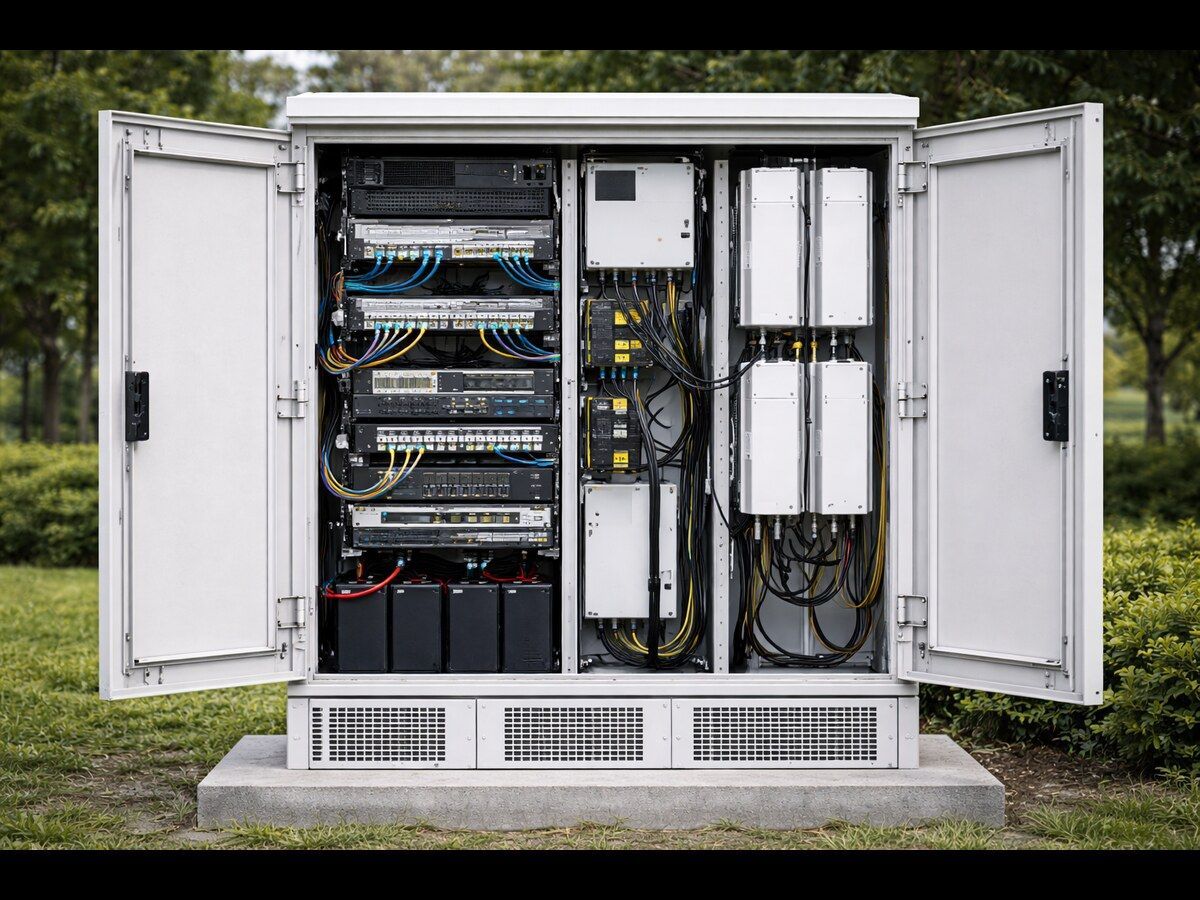
- Weatherproof and dustproof
- Built for harsh environments
- They are located in telecom towers and remote regions
The best type of cabinet depends on where you want to put it.
Planning for Future Expansion
One of the biggest mistakes organizations make is choosing the wrong cabinet for their telecommunications needs. As networks grow, equipment is upgraded and capacity requirements increase.
When you are choosing a cabinet for telecommunications, be sure to consider:
- Extra rack space
- Adjustable mounting rails
- Compatibility with the latest hardware
A modular cabinet could help you save time and money in the long term.
Compliance and Industry Standards
Make sure that the equipment you use for telecommunications conforms to the industry standards, such as:
- 19-inch rack mount
- Proper grounding support
- Compatible with typical networking equipment
Compliance ensures a smoother integration and helps reduce technical issues that can arise during installation.
Why Quality Cabinets Make a Long-Term Difference
In extremely challenging telecom environments, cabinet performance directly affects uptime and reliability. Investing in a properly engineered telecom cabinet can reduce the risk of thermal and physical damage and disorder.
That's why businesses can trust companies like Iceberg Cabinet, known for their sturdy telecom and server rack cabinets designed to meet the needs of modern infrastructure. A quality cabinet isn't just cost-effective; it's an investment that lasts.
Common Mistakes to Avoid
When choosing the right telecommunications cabinet, you must stay away from these common mistakes:
- Cabinets that are too small to be able to
- Attention to regulations governing airflow
- Paying no attention to the management of cable
- The selection of materials with poor quality
- Failure to prepare for growth that is likely to come
Avoiding these errors will improve efficiency and reduce the need for costly upgrades later.
Frequently Asked Questions (FAQs)
1. How do I find out the size of the cabinet to accommodate the telecommunications I need?
Find out the current requirements for your equipment, then allocate rack units to allow for future expansion. It is always advisable to have an extra cabinet.
2. Can telecommunications cabinets be utilized together with servers?
Yes, several telecom cabinets are designed to accommodate servers, provided they meet the load and ventilation requirements.
3. How can you tell the differences between server cabinets and telecom cabinets?
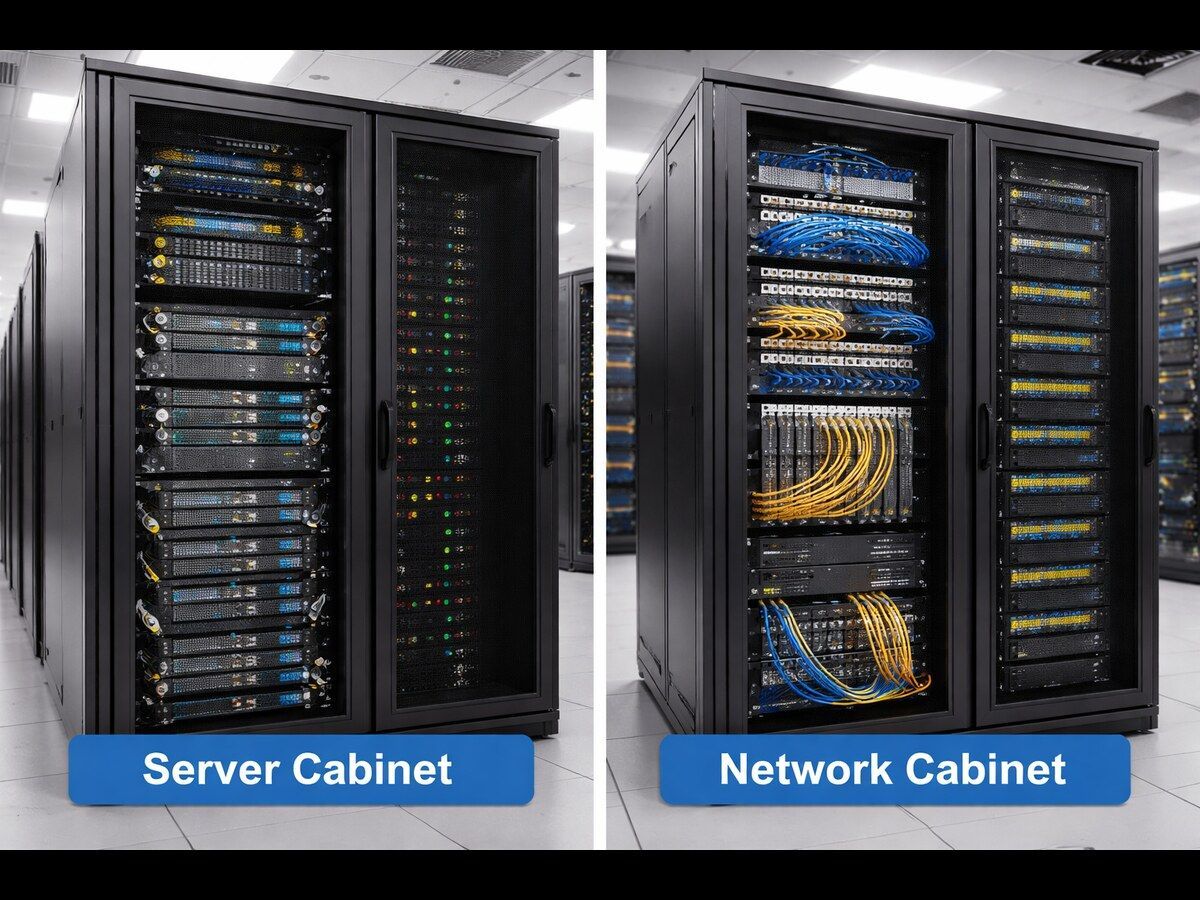
Rack cabinets for servers are usually built for high-density server installations, while telecommunications cabinets are designed to support networking and telecom equipment. Modern cabinets can accommodate both.
4. What is the significance of the airflow in the cabinet of telecommunications?
It is crucial. Proper airflow can prevent overheating, increase equipment efficiency, and extend hardware lifespan.
5. What are the main reasons to invest into a cabinet that is top-of-the line to support telecoms?
Superior telecommunication cabinets provide greater performance, airflow, security, and scalability, reducing downtime and maintenance costs over time.
Also, check Understanding Telecom Racks and Cabinets
Final Thoughts
Choosing the best telecommunications cabinet is crucial and will directly impact the stability, performance, and growth potential of your network. By focusing on size, airflow, security, and future scalability, you'll build a telecom infrastructure well-positioned for today and the near future.
With the trust of Iceberg Cabinet, you can rest assured that your telecommunications cabinet has been specifically designed to meet the requirements of modern networking with precision and reliability.