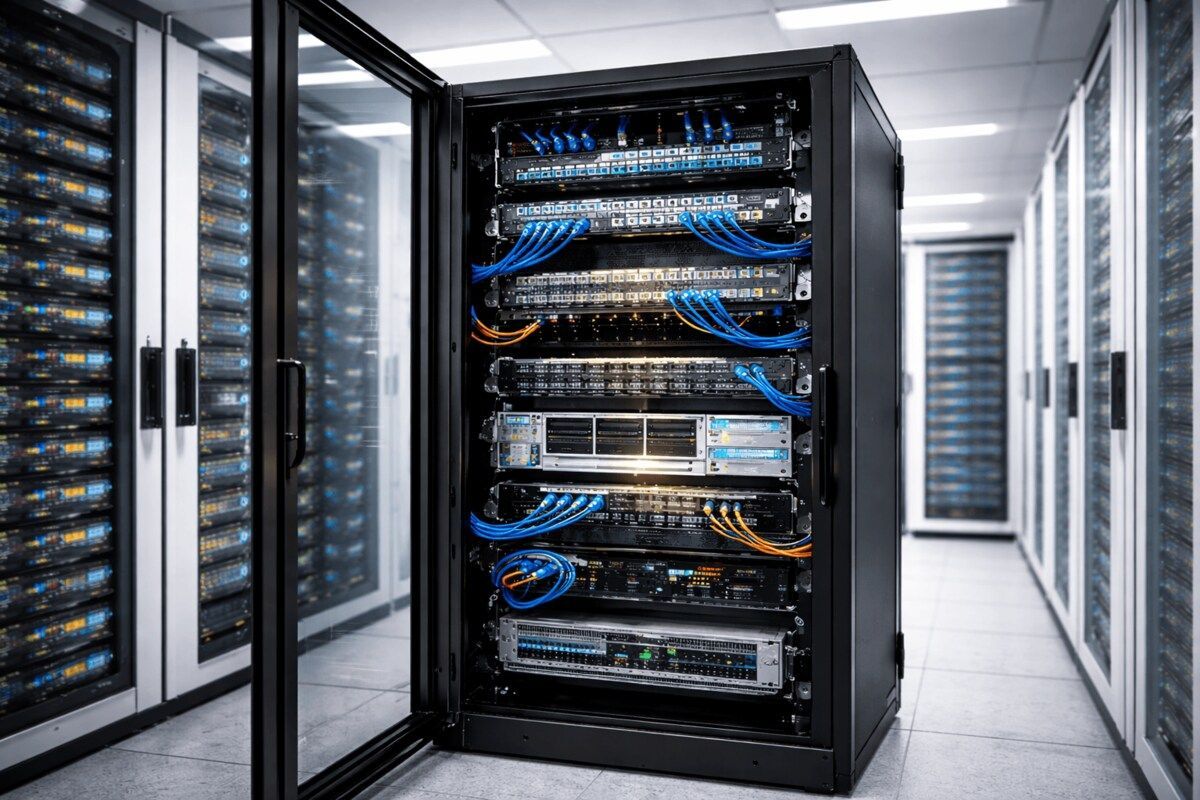
What Is a Telecommunications Enclosure?
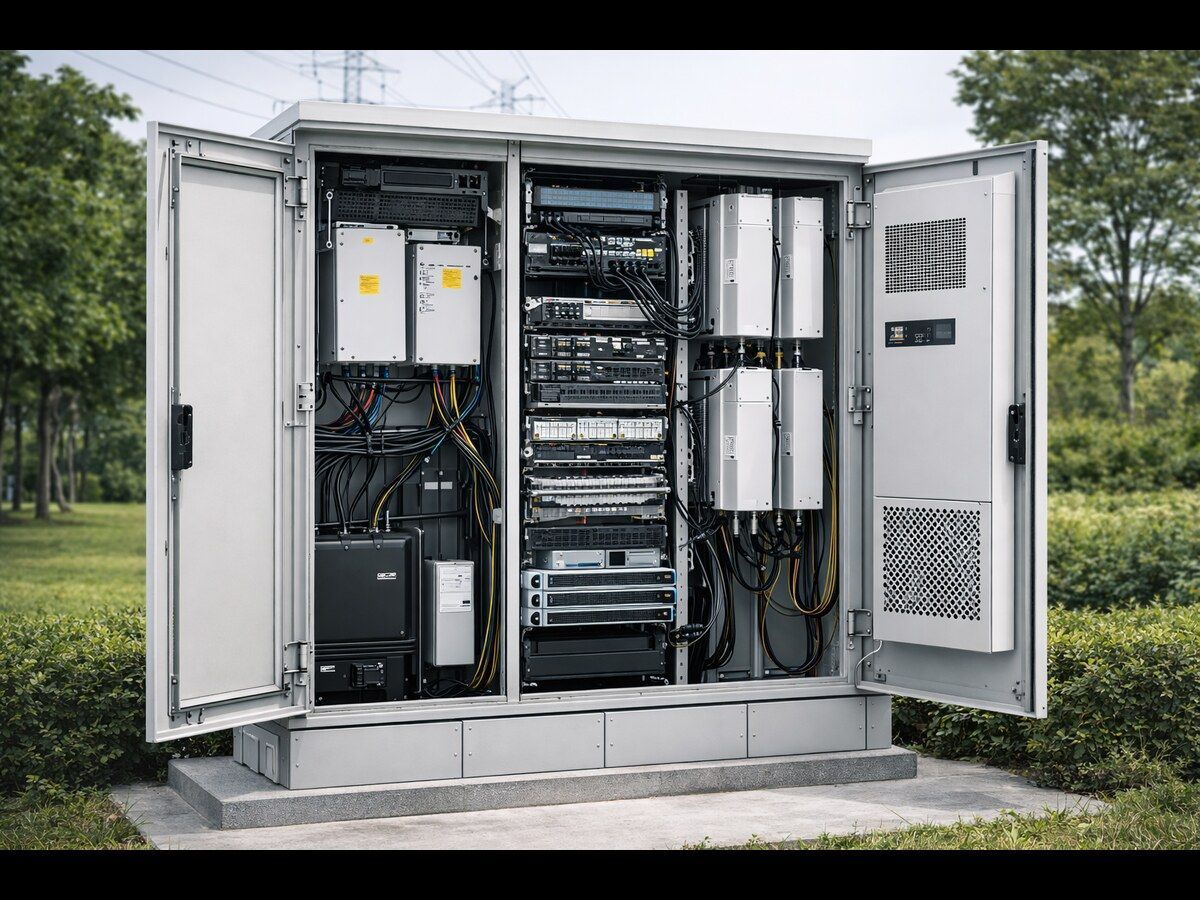
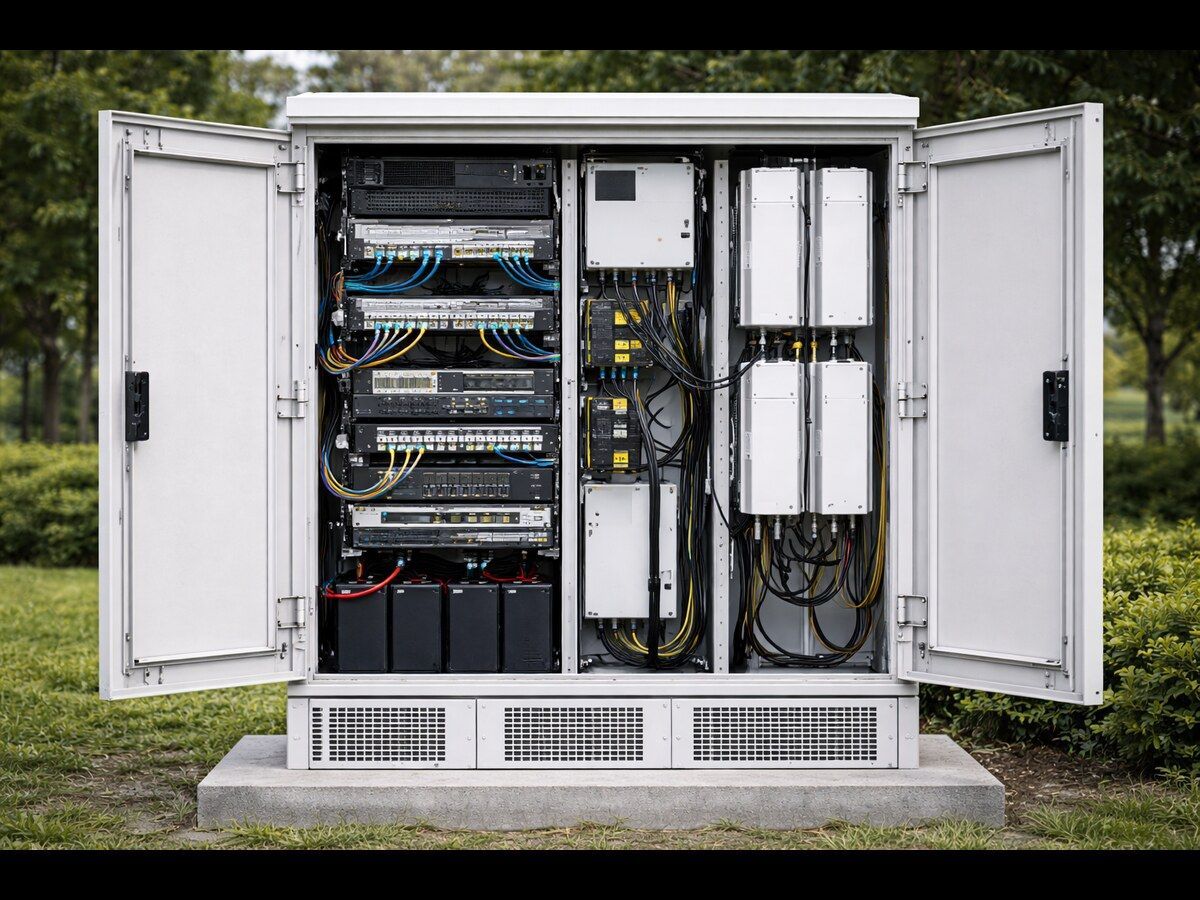
A telecom enclosure is an enclosure or housing that is designed to store, secure and organize networking and telecom equipment. This can include routers, switches and patch panels fiber optic components, power supplies, and various communications equipment.
Contrary to conventional cabinets, telecom enclosures have been specifically designed to shield the equipment from environmental hazards like dust, moisture and heat, as well as vibration and unauthorised access. They are extensively utilized in both outdoor and indoor locations where reliable networking performance is vital.
Here at Iceberg Cabinet, our telecommunications enclosures are constructed to meet the needs of today's infrastructure by combining strength as well as airflow control, along with an intelligent design.
Why Are Telecommunications Enclosures Important?
A telecommunications enclosure is much beyond a simple storage device. It performs multiple crucial roles that directly affect the security and reliability of the network.
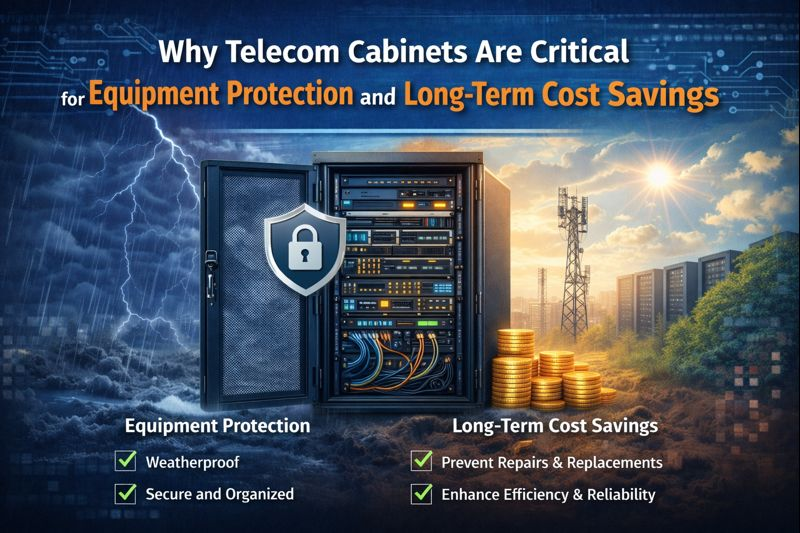
1. Equipment Protection
Telecom equipment is sensitive to environmental conditions. An enclosure for telecoms that is of high-quality protects components from humidity, dust variations in temperature, dust, and physical harm.
2. Cable Management and Organization
Unorganized cables can increase the chance of signal interference as well as maintenance mistakes. Enclosures for communications help to organize cables in a neat manner, enhancing the flow of air and easing troubleshooting.
3. Security and Access Control
Inappropriate access to equipment on networks could cause data breaches or even downtime. A secure telecommunications enclosure will ensure that only authorized users have access to important systems.
4. Thermal Management
Overheating is among the most common reasons for equipment failure. Correctly designed enclosures for telecommunications provide ventilators, fans, or air conditioners for the cabinet to ensure optimal temperatures.
Key Components Inside a Telecommunications Enclosure
Knowing what is inside an enclosure for telecommunications can help to select the ideal configuration to meet your needs.
Network Hardware
This comprises routers as well as switches, modems, firewalls, as well as patch panels, which form the foundation of communication networks.
Power Management Systems
The majority of telecommunications enclosures contain PDUs, power distribution units (PDUs) as well as UPS, backup batteries or systems that guarantee uninterrupted operation.
Cooling Solutions
In accordance with the surroundings, enclosures can include ventilation panels, fans and active cooling systems that manage internal temperatures.
Mounting Rails and Shelves
Shelf shelves that can be adjusted permit flexible placement of equipment and the possibility of future scalability.
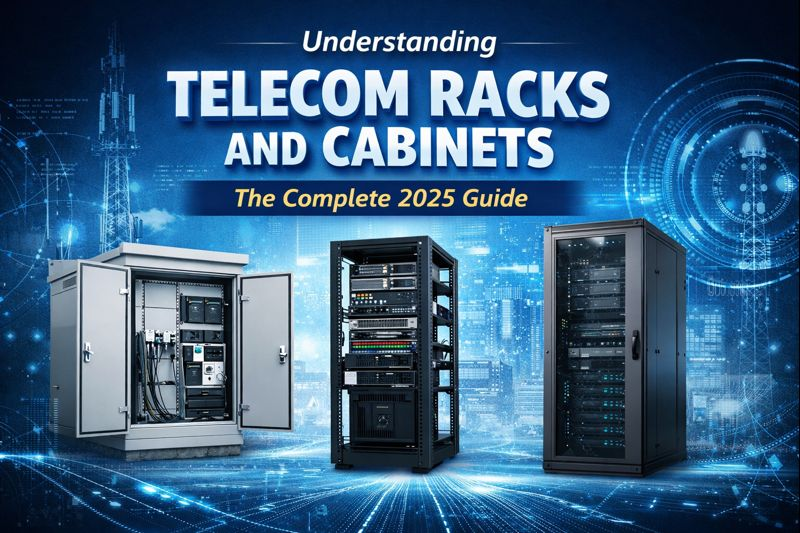
Types of Telecommunications Enclosures
Telecommunications enclosures come with a variety of designs that can be used for different purposes.
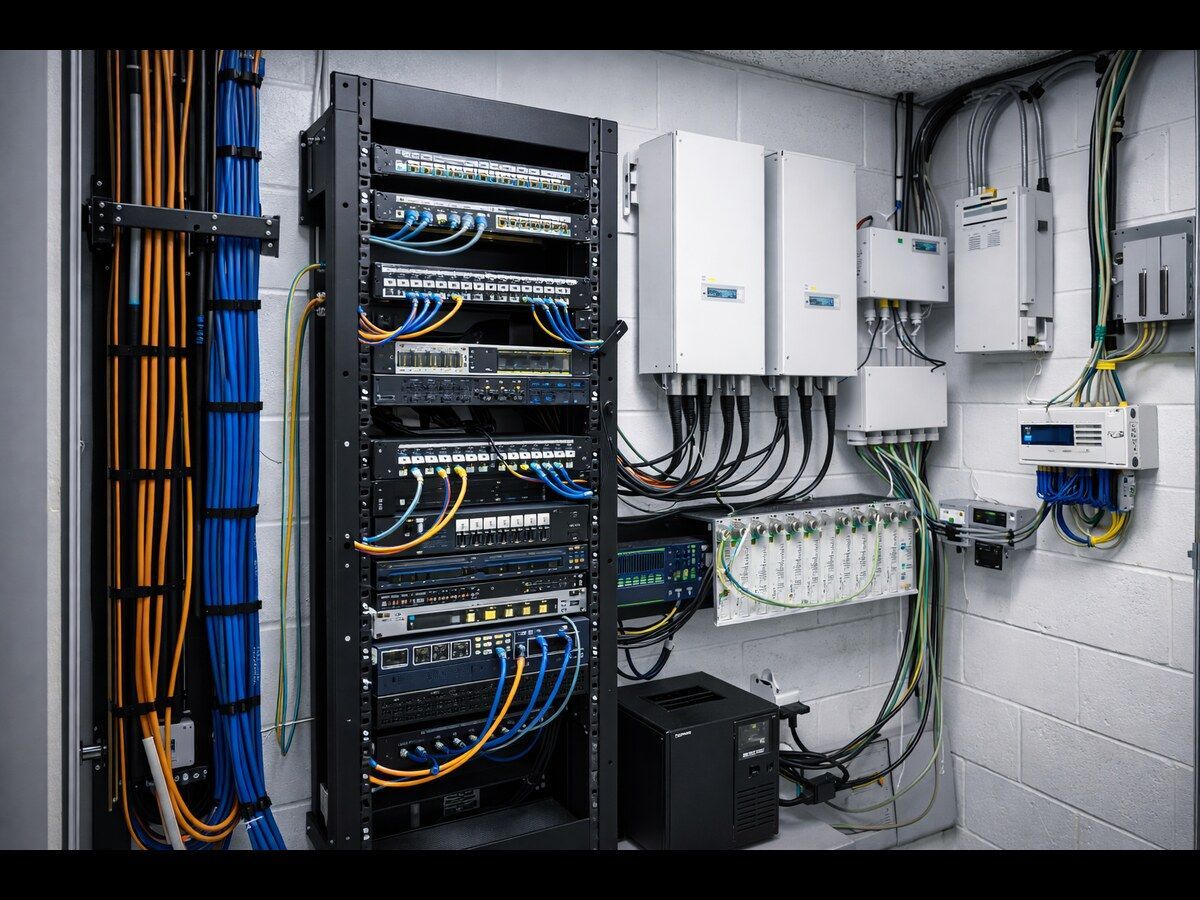
Indoor Telecommunications Enclosures
They are used in offices as well as hospitals, data rooms and commercial structures. Indoor enclosures are focused on airflow, organization, and aesthetics.
Outdoor Telecommunications Enclosures
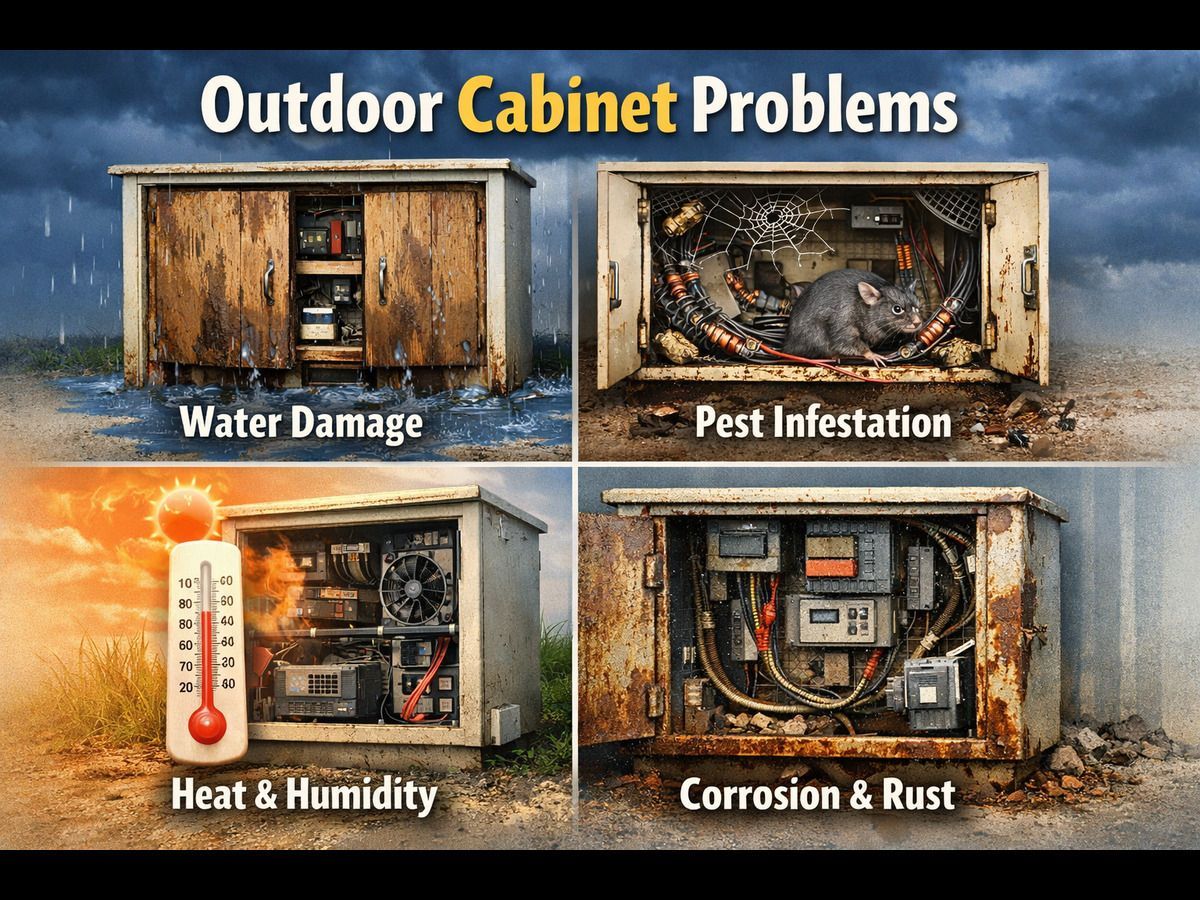
Outdoor telecommunications enclosures are constructed with weatherproof material and designs that are sealed designs that can endure dust, rain as well as extreme heat and conditions.
Wall-Mounted Enclosures
The ideal solution for spaces with limited space, Wall-mounted enclosures for telecommunications are often utilized in smaller offices and network closets.
Floor-Standing Enclosures
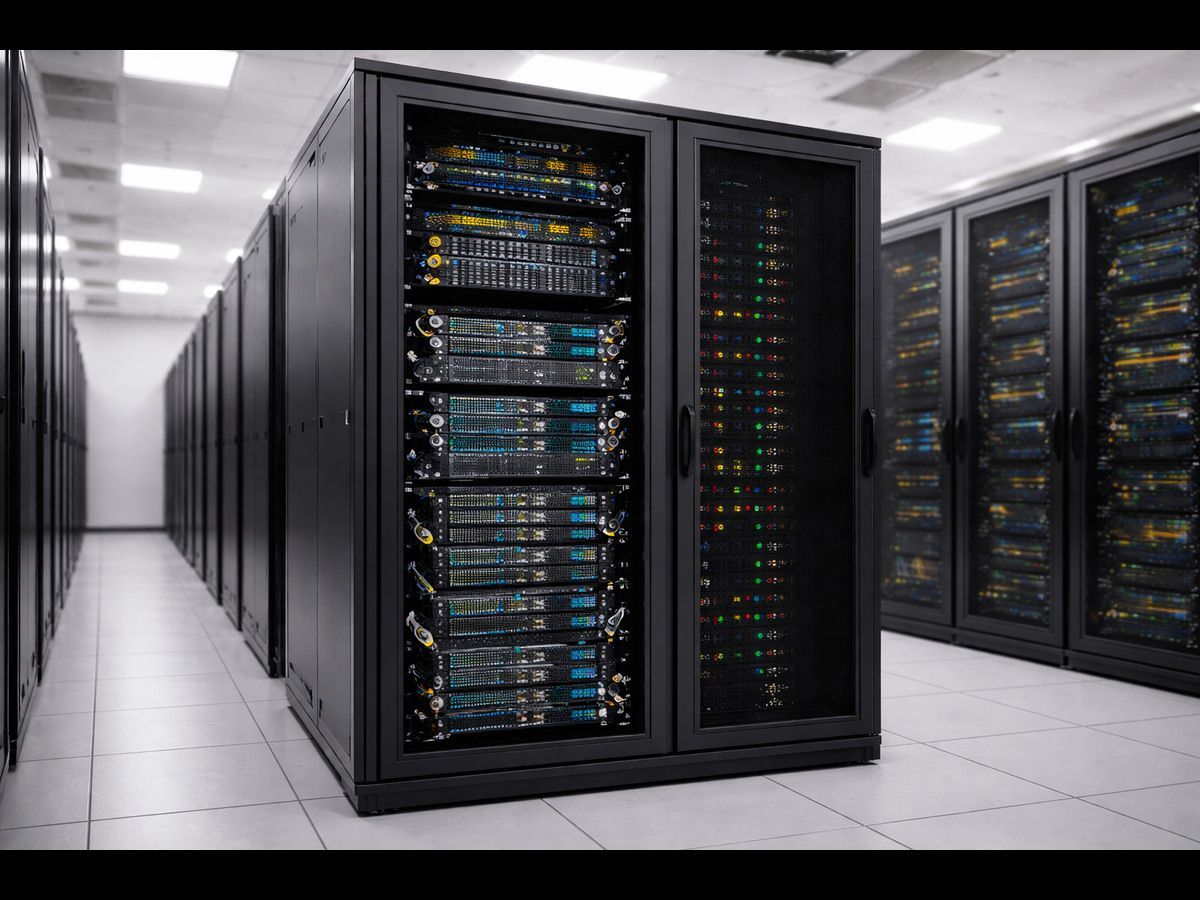
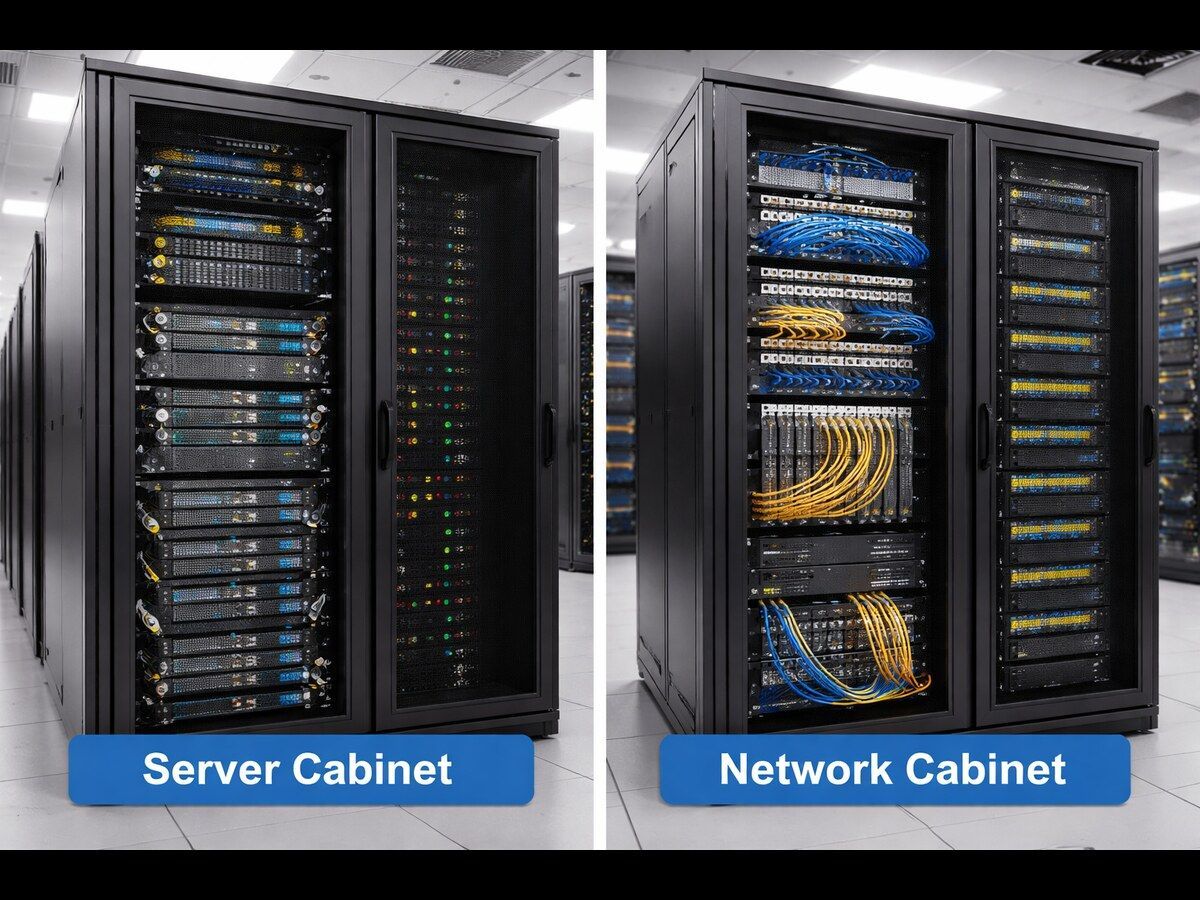
The larger enclosures can handle heavy equipment loads and are commonly employed in data centers as well as industrial settings.
Where Are Telecommunications Enclosures Used?
The need for enclosures for telecommunications is evident in a variety of industries:
- Data Centers and Server Rooms
- Telecom Networks and ISPs
- Industrial Automation Facilities
- Transportation and Railways
- Healthcare and Educational Institutions
- Smart Cities and Infrastructure Projects
Whatever the conditions of the environment, a well-designed enclosure for telecommunications ensures constant network performance.
How to Choose the Right Telecommunications Enclosure
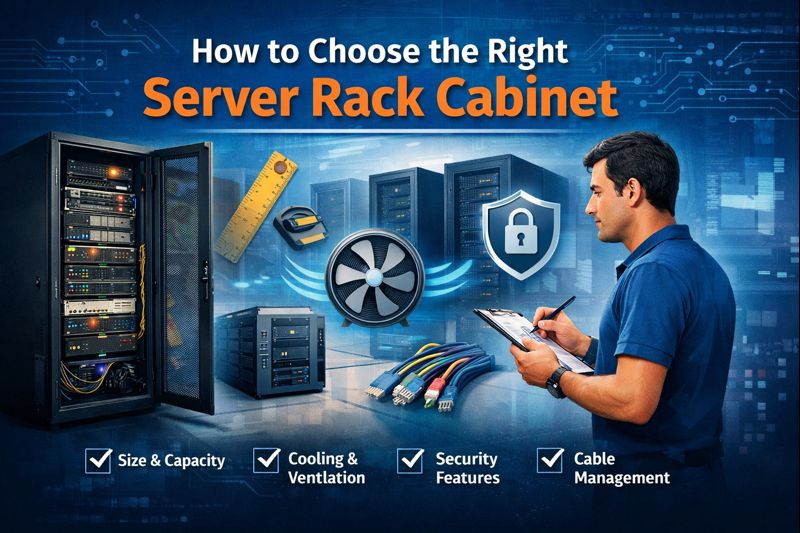
The choice of the best telecommunications enclosure is based on a number of factors.
Environment
Are you using the enclosure intended for outdoor or indoor use? Outdoor areas require higher IP as well as NEMA ratings to ensure protection.
Equipment Size and Load
The enclosure should be able to support the current equipment and give space to expand.
Cooling Requirements
High-density structures require greater airflow and active cooling solutions.
Security Needs
Find locking systems and access control features when the equipment is of high security.
Compliance and Standards
Telecommunications enclosures of high quality conform to industry standards for safety as well as durability and performance.
We are Iceberg Cabinet, and we help businesses select telecommunications enclosures that meet their specific operational requirements.
Benefits of Using High-Quality Telecommunications Enclosures
A reliable telecommunications enclosure can provide long-term benefits:
- Reducing downtime for equipment
- Better network performance
- Easy maintenance and improvements
- Increased security and compliance
- Longer equipment lifespan
A well-designed telecommunications enclosure is not an expense; it's an investment.
Why Choose an Iceberg Cabinet for Telecommunications Enclosures?
In Iceberg Cabinet, we specialize in the production and supply of robust enclosures for telecommunications designed specifically for the modern IT and telecom infrastructure. Our enclosures are built with precision engineering, premium materials, and functional features that ensure long-term reliability.
From small wall-mounted units to massive outdoor enclosures, Iceberg Cabinet delivers solutions that provide protection, efficiency and capacity.
Also, check What does a network cabinet do?
Frequently Asked Questions (FAQs)
1. What is the primary reason for the enclosure for telecoms?
The primary function of an enclosure for telecoms is to guard the security, organization, and protection of equipment for networking while ensuring the flow of air as well as environmental controls.
2. Can telecommunications enclosures be used for outdoor usage?
Yes, enclosures for outdoor telecoms are specially designed to endure extreme weather conditions like dust, heat, rain and humidity.
3. How can you tell the difference between the telecom rack and the enclosure for telecommunications?
A telecom rack is focused on the mounting of equipment, whereas an enclosure for telecoms provides complete security, protection, along environmental protection.
4. Do telecommunications enclosures need cooling systems?
Cooling is dependent on the density of equipment and environmental conditions. Many enclosures for telecommunications can accommodate fan cooling and cabinet air conditioners to help with temperature control.
5. What should I consider when choosing the correct size enclosure for my telecommunications?
Pick a size that will fit the current equipment and leave space for expansions in the future as well as cable management and airflow.
Final Thoughts
An enclosure for telecoms is the foundational component of a reliable communication network. From securing valuable equipment to enhancing system organization and performance, a good enclosure will ensure that your network operates well today and can be scaled for the future.
If you're seeking well-engineered telecom enclosures, Iceberg Cabinet offers solutions designed to meet the demands of modern life with precision and dependability.