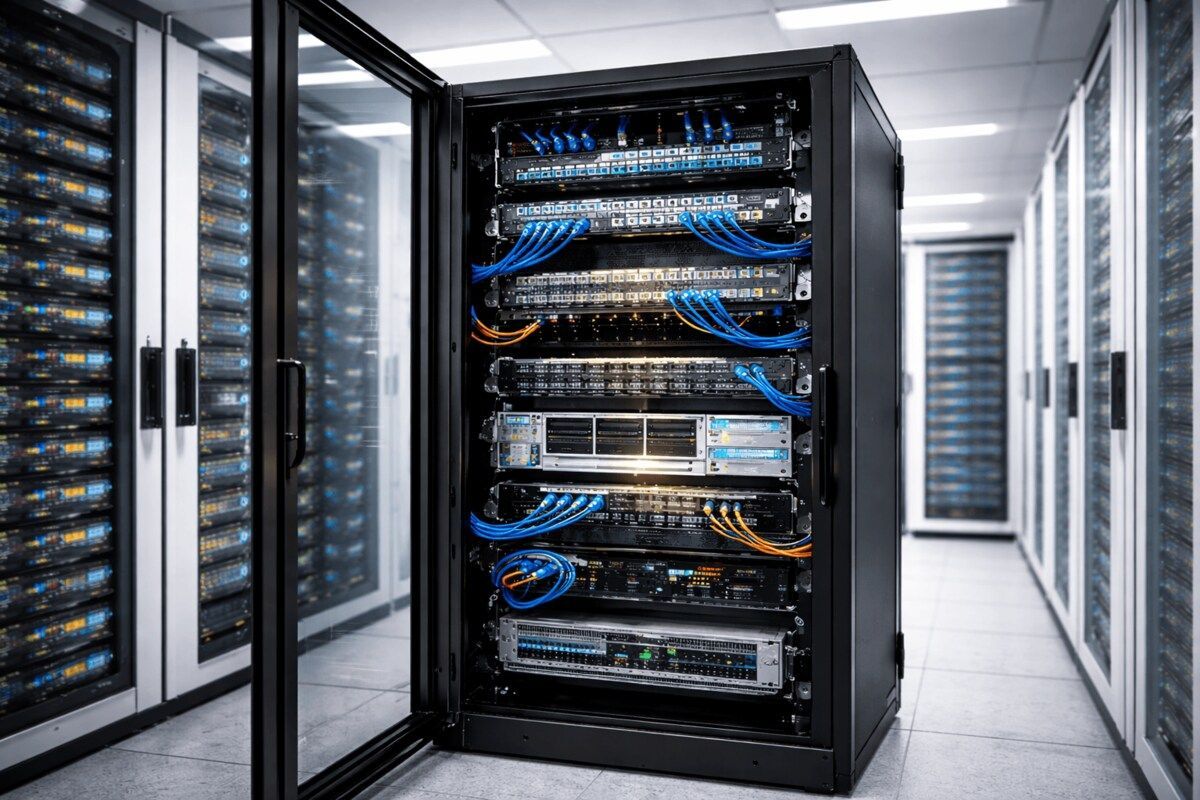
What Is a Telecommunication Closet?
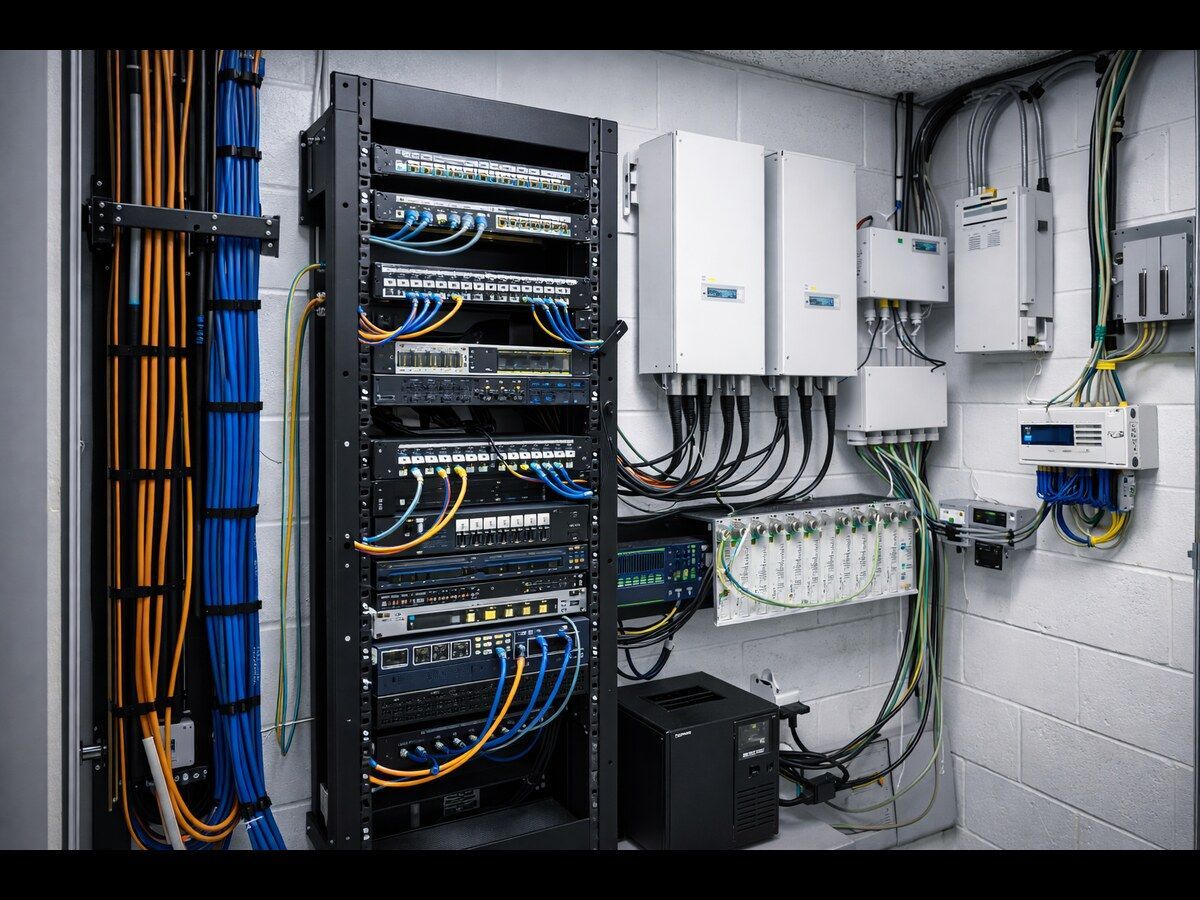
In our ever-connected world, the need for a reliable communications infrastructure is no longer an option but essential. Behind every flawless phone call, quick internet connection and safe data transfer is a well-designed space referred to as the telecom closet. While it's often not noticed yet, this little area plays a huge part in keeping businesses running.
If you've ever wondered about what a telecommunications closet actually is, the reason it's important and how it helps IT infrastructure, this article will help you understand it in simple, straightforward phrases.
What Is a Telecommunication Closet?
A telecom closet (often called a telecom closet or a telecom room) is a specific space in a building that is home to communication and networking equipment. It functions as an administrative center for video, voice, data and Internet connections in a certain area or floor.
The typical telecommunication closet will contain items like:
- Server rack cabinets
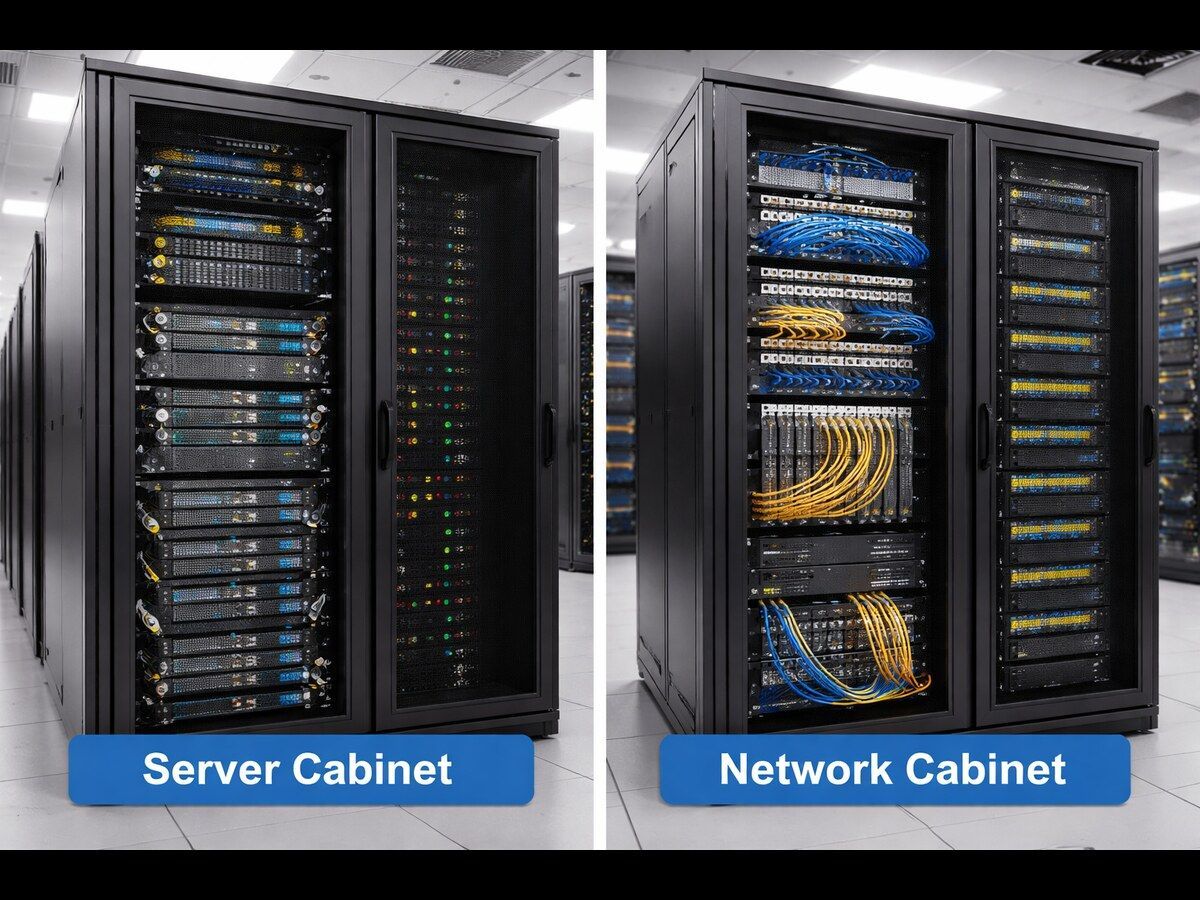
- Telecommunication cabinets
- Network routers and switches
- Patch panels
- Structured cabling systems
In commercial structures, offices and schools, hospitals and other data-driven buildings, the telecommunication closet makes sure that the communications systems are well-organized and secure. They are also easy to maintain.
Why Is a Telecommunication Closet Important?
A well-designed and organized telecommunications closet is the core of a solid IT network. Without it, cables get messy, equipment gets overheated, and troubleshooting can be a lengthy process.
This is why a telecommunications closet is crucial:
1. Organized Network Infrastructure
Instead of cables running in a random fashion throughout a structure, the entire network is arranged through server cabinets and telecommunications rack cabinets. This helps reduce downtime as well as simplifies the process of upgrading.
2. Improved Network Performance
The proper flow of air, the cables management and placement of equipment in a telecommunications closet will aid in maintaining the highest level of performance and avoid signal interference.
3. Enhanced Security
Securely storing sensitive networking equipment within an encrypted telecommunications closet safeguards the data from unauthorized access.
4. Easier Maintenance and Scalability
As systems expand and expand, having a well-organized telecommunications closet makes it simpler to add more equipment without affecting existing connections.
What Equipment Is Inside a Telecommunication Closet?
A modern telecommunications closet is more than a space for storage. It's a controlled space designed to provide support for critical IT hardware.
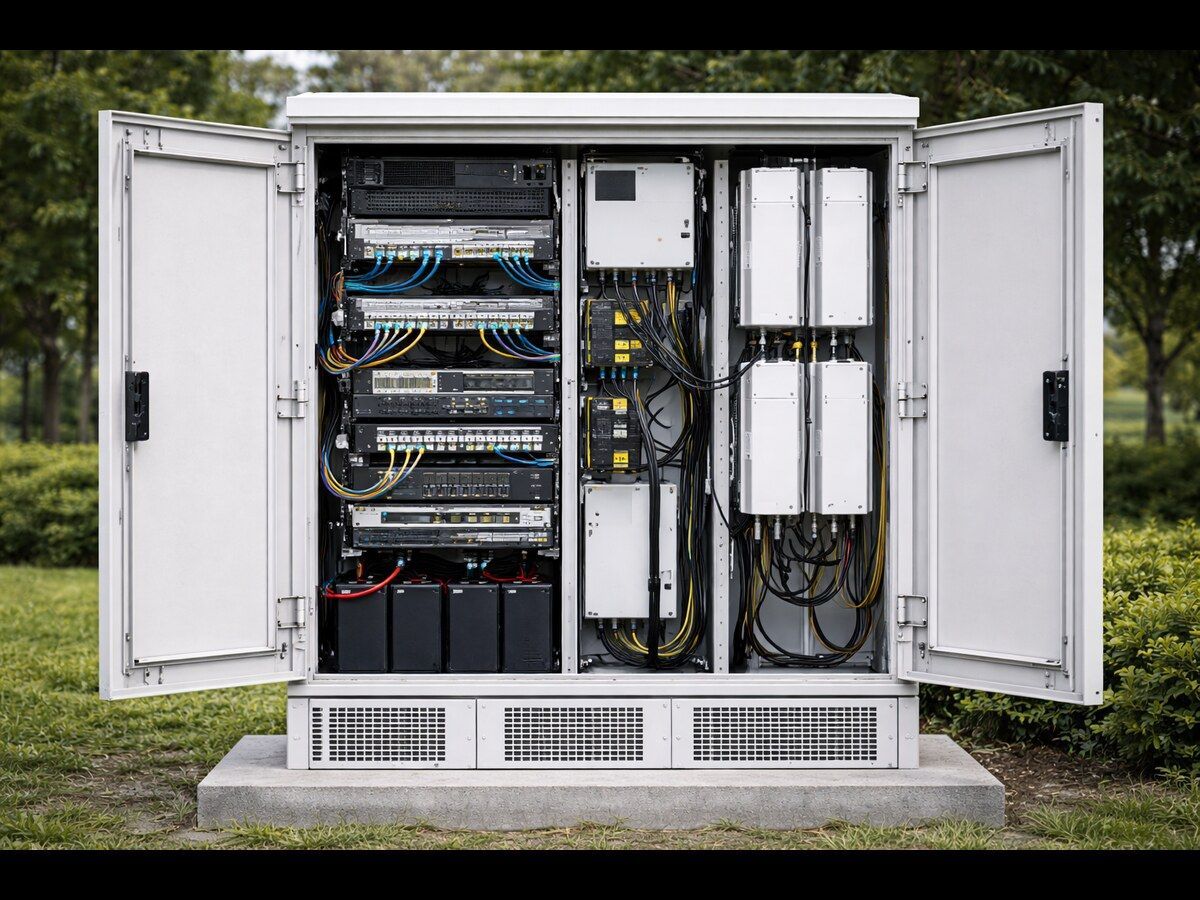
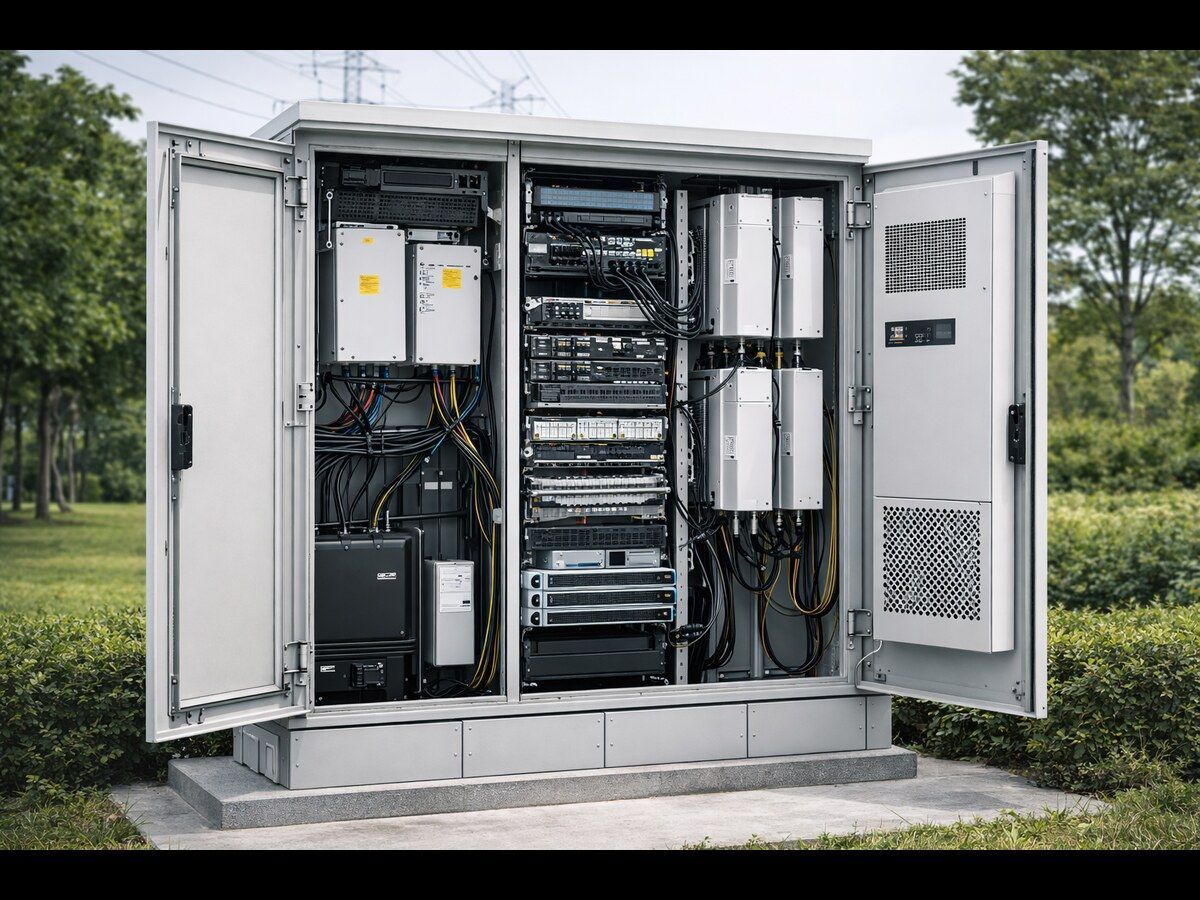
Telecommunication Cabinets
Telecommunication cabinets serve to secure networking equipment. They shield equipment from physical damage and unauthorised access while allowing adequate air circulation.
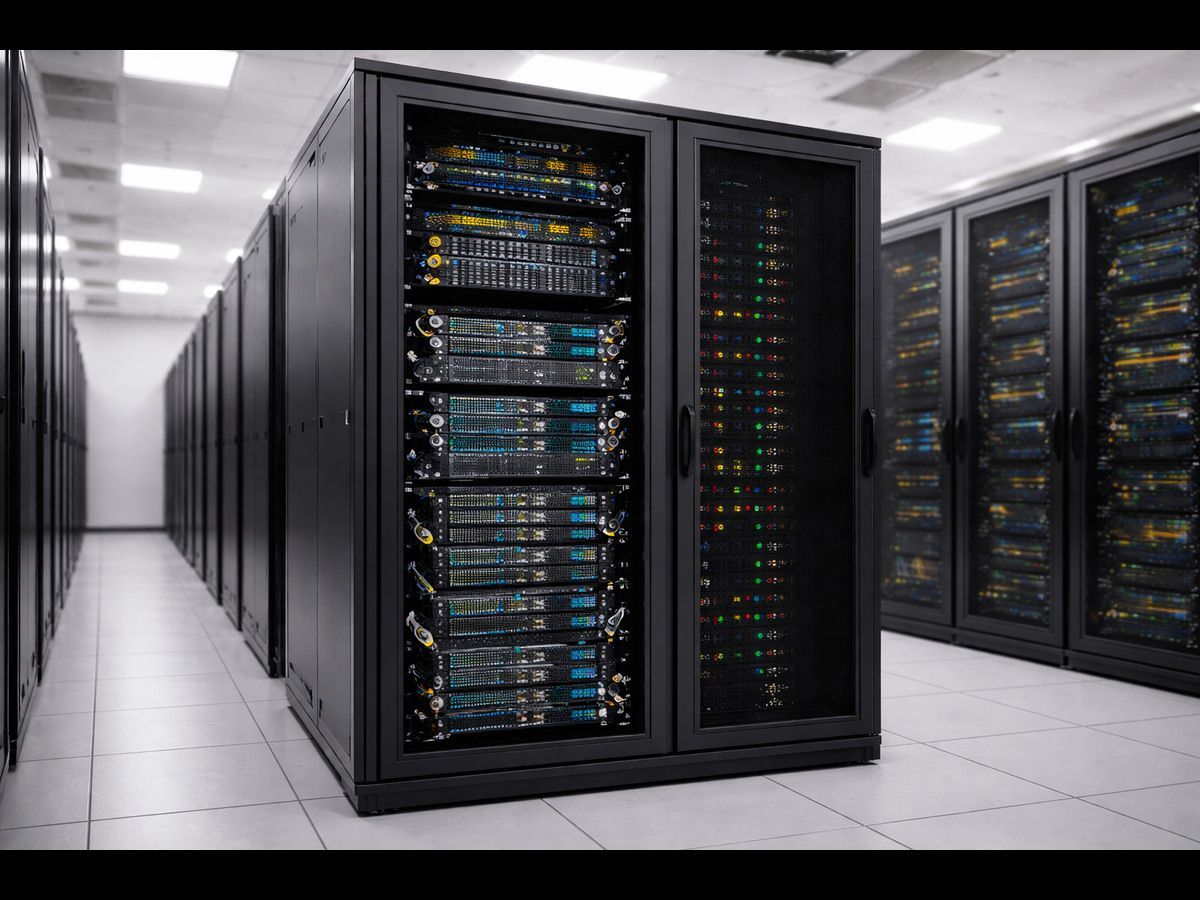
Server Rack Cabinets
Server rack cabinets are typically used in telecommunication closets to house patches, switches, as well as servers in a uniform arrangement. This makes managing cables and troubleshooting much more effective.
Patch Panels and Switches
Patch panels manage cables for outgoing and inbound connections and switches control the flow of information between devices.
Cable Management Systems
The proper cable tray and organizers stop tangling, decrease signal loss and enhance airflow in the telecommunication closet.
Telecommunication Closet, in contrast to. Room for Servers Room
A lot of people confuse a telecommunications closet and server rooms; however, they are two different things.
- A telecommunications closet is typically designed to support an area or floor and is focused on distribution.
- A server room is typically a home for the main servers as well as a central information infrastructure for a whole structure or company.
In large buildings, multiple telecom closets could be linked back to a central server room.
Key Design Considerations for a Telecommunication Closet
The design of a telecommunications closet requires meticulous planning. Little mistakes could lead to malfunctioning networks, overheating or even costly downtime.
Proper Ventilation and Cooling
Networking equipment generates heat. Installing a ventilated telecommunications cabinet or cabinets with air conditioning helps to ensure that operating temperatures are safe.
Adequate Space Planning
The telecommunications closet must have enough space to allow for expansion in the future. The overcrowding of equipment causes inadequate airflow and maintenance issues.
Structured Cabling
The use of structured cabling standards guarantees longer-term reliability as well as more straightforward upgrade.
Power and Backup
The power outlets that are dedicated, the grounding UPS systems and UPS outlets protect equipment from electrical problems.
Where Are Telecommunication Closets Used?
A telecommunications room is located in virtually every modern building that is dependent on digital communications and includes:
- Corporate offices
- Data centers
- Hospitals and health facilities
- Institutions of education
- Manufacturing plants
- Retail spaces
In every case, Telecommunication closets are a way to maintain uninterrupted connection and maximize operational efficiency.
Choosing the Right Cabinets for a Telecommunication Closet
The effectiveness of a telecommunications closet is largely dependent on the quality of the cabinets utilized. The right telecommunications cabinet as well as server rack guarantees durability, security, along with long-term reliability.
The Iceberg Cabinet, telecommunication cabinets and server rack cabinets are made to:
- Support equipment for heavy networking
- Excellent airflow and cooling options.
- Improve the organization of cables
- Improve security with lockable designs
The right cabinet can help reduce maintenance issues and increases the longevity of equipment.
Best Practices for Maintaining a Telecommunication Closet
Even the most sophisticated setup requires regular maintenance. Here are a few tried and true best techniques:
- Label all cables in a clear manner
- Make sure the telecommunications closet is clean and free of dust
- Check the humidity and temperature.
- Check cabinets and racks on a regular basis.
- Make upgrades before reacting to failures
Maintaining your telecommunication closet running smoothly and up-to-date.
Also, check What is a telecommunications enclosure?
FAQs About Telecommunication Closets
1. What is the function of a telecommunications closet?
The primary function of a telecommunications closet is to store and store networking and communication equipment, while ensuring the reliability of data and voice connections throughout the building.
2. What size should a telecommunications closet be?
A sizeable closet for telecommunications is contingent on the requirements for the network. It must be large enough to accommodate server racks, telecommunication cabinets, cable management and any future expansion.
3. Do telecommunications closets require cooling?
Yes, cooling is essential. Networking equipment produces heat, and therefore, the proper ventilation and cabinet cooling are essential to stop the equipment from overheating.
4. Can a telecommunications closet be used to store items in a room?
The telecommunications closet is not a place to use as a general storage space. Additional items could block the flow of air, cause damage to cables, and cause security risks.
5. What are the best cabinets to use for a closet that houses telecommunications?
Server and telecommunications cabinets that are of high-quality rack cabinets that are ventilated and have security features, as well as features for managing cables, are ideal to have a professional set-up.
Final Thoughts
A telecommunications closet might seem as if it's a tiny component of a building, however, its impact on the reliability of networks and the business operation is immense. From storing cables to protecting sensitive equipment, it plays an important part in modern-day communication infrastructure.
Utilizing designed telecommunication cabinets and server racks, organizations can establish a safe, reliable, efficient, and flexible network environment. With the proper planning and the right equipmen,t the telecommunication closet can become an asset that lasts for the long term instead of a hidden issue.