What Does a Network Cabinet Do?
In the digitally connected world of today, businesses depend heavily on secure and stable networks to function efficiently. It doesn't matter if it's a small office, or data center or a huge industrial facility, networks play crucial roles behind the scenes. A crucial, yet frequently overlooked element in this network infrastructure is the cabinet. What does an actual network cabinet accomplish what is its purpose, and the reason it crucial for the current IT environments?
In this article, we'll explain all you should be aware of in easy, concrete words. From security and organization as well as cooling and scaling, this article will help to understand how a network cabinet can ensure reliable performance of your network and why choosing the right cabinet is important.
What Is a Network Cabinet?
Before we dive into the details of what a network cabinet can perform, let's look at what exactly it is.
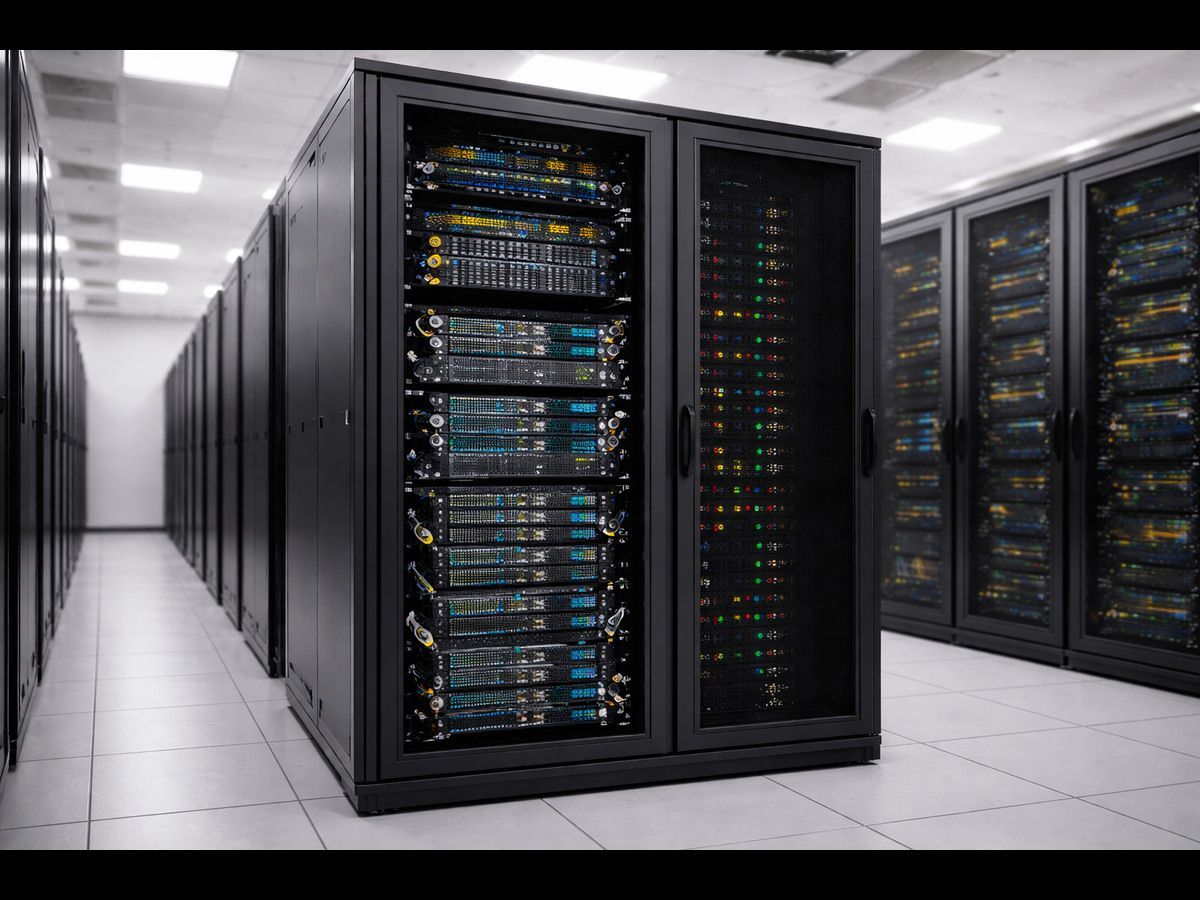
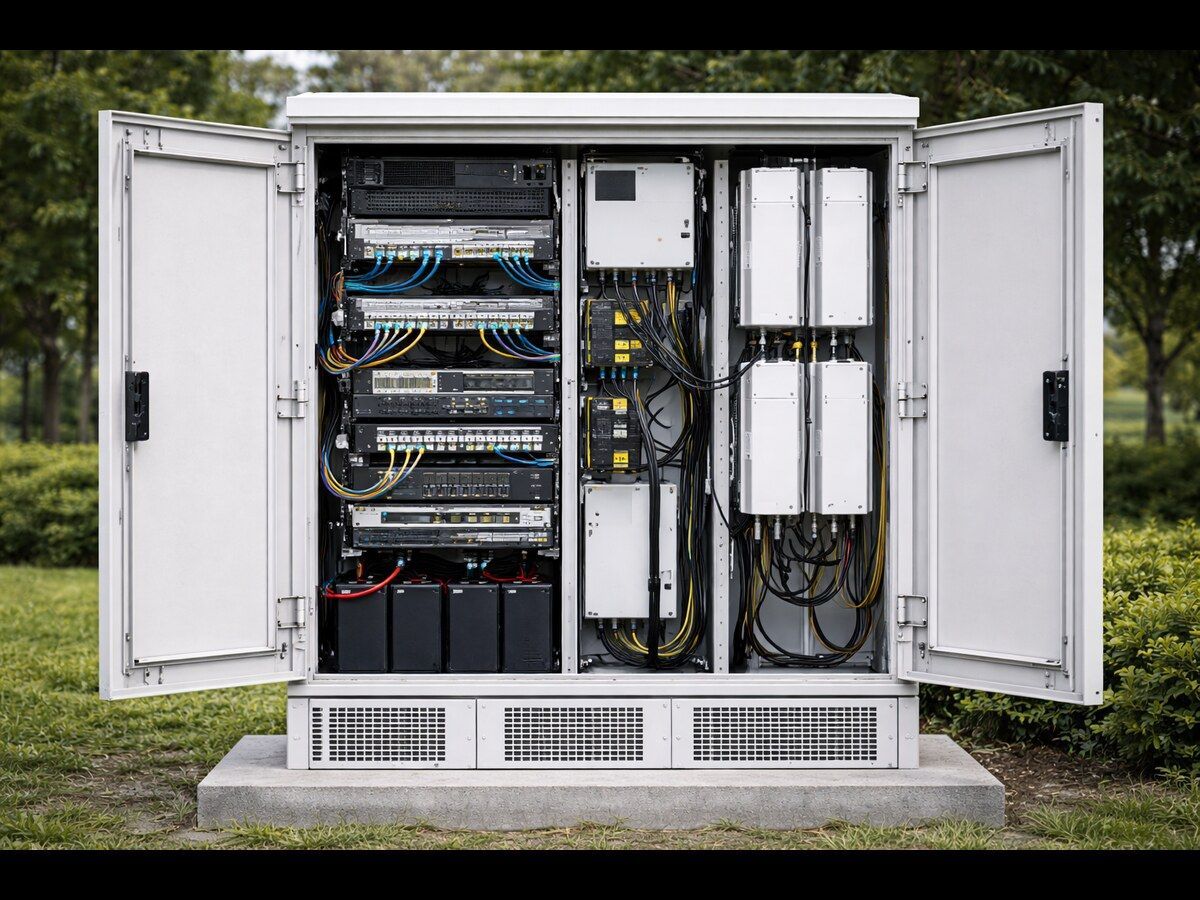
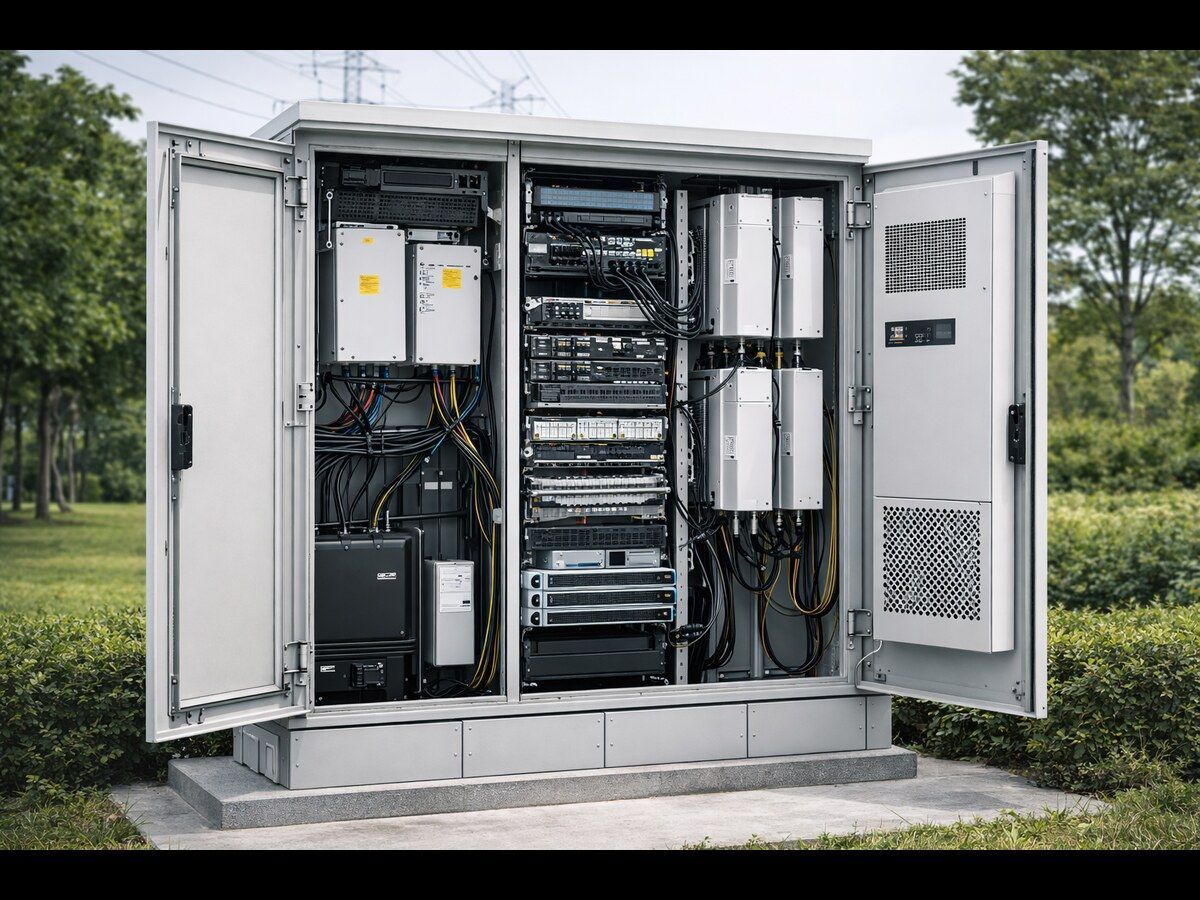
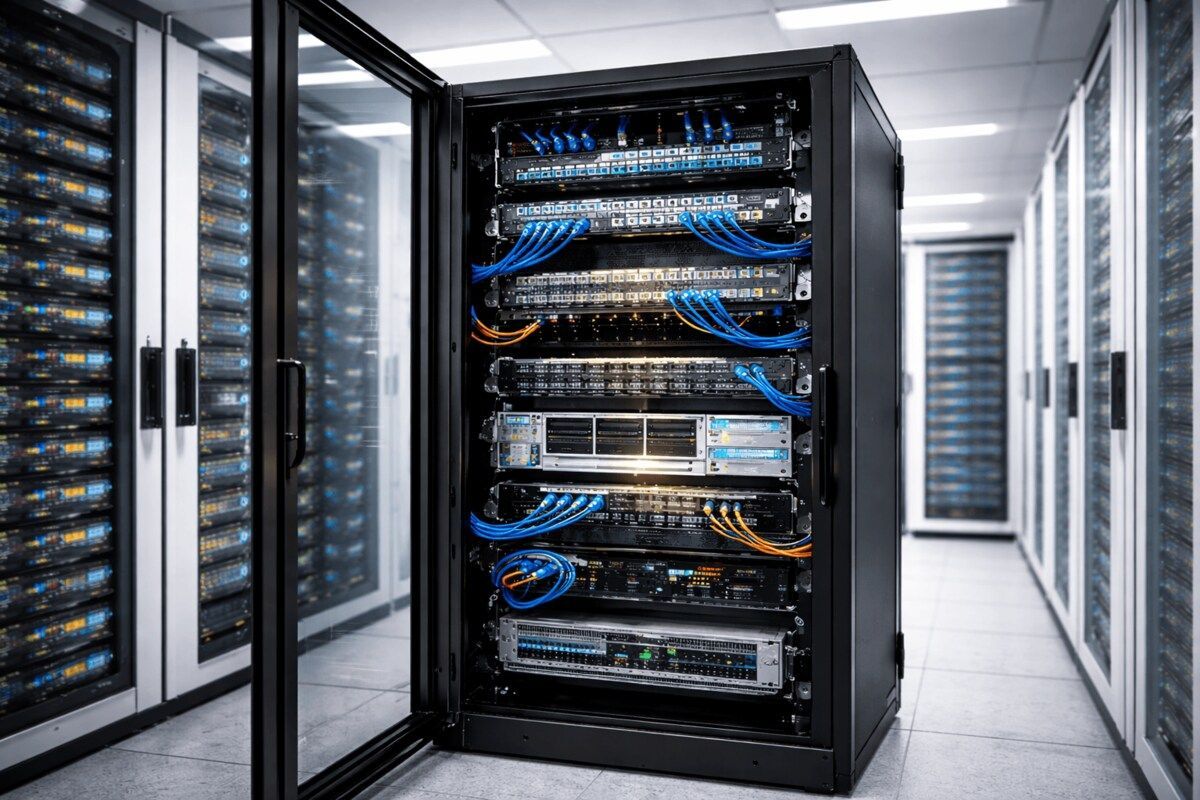
The network cabinet is a closed metal structure that houses network equipment like routers, switches, patch panels, servers, energy distribution equipment, as well as cables management equipment. They are typically used in telecom rooms, offices, industrial sites, as well as data centers to keep the network hardware safe, organized and easily accessible.
As opposed to open racks, cabinets are usually equipped with side panels that can be locked, doors with locks with built-in ventilation they are ideal in environments where safety and security are essential.
What Does a Network Cabinet Do?
The solution to what exactly role of a network cabinet can be summed up in one sentence: it manages as well as protects and enhances devices for the network to ensure safe and stable operation. Let's examine this in more depth.
1. Organizes Network Equipment Efficiently
One of the most important roles of a cabinet for networks is organizing. As networks expand, the number of devices and cables increases quickly. If the structure is not in place, this could lead to poor cabling, difficult maintenance, and a greater risk of committing errors.
A network cabinet offers:
- A dedicated space to mount equipment
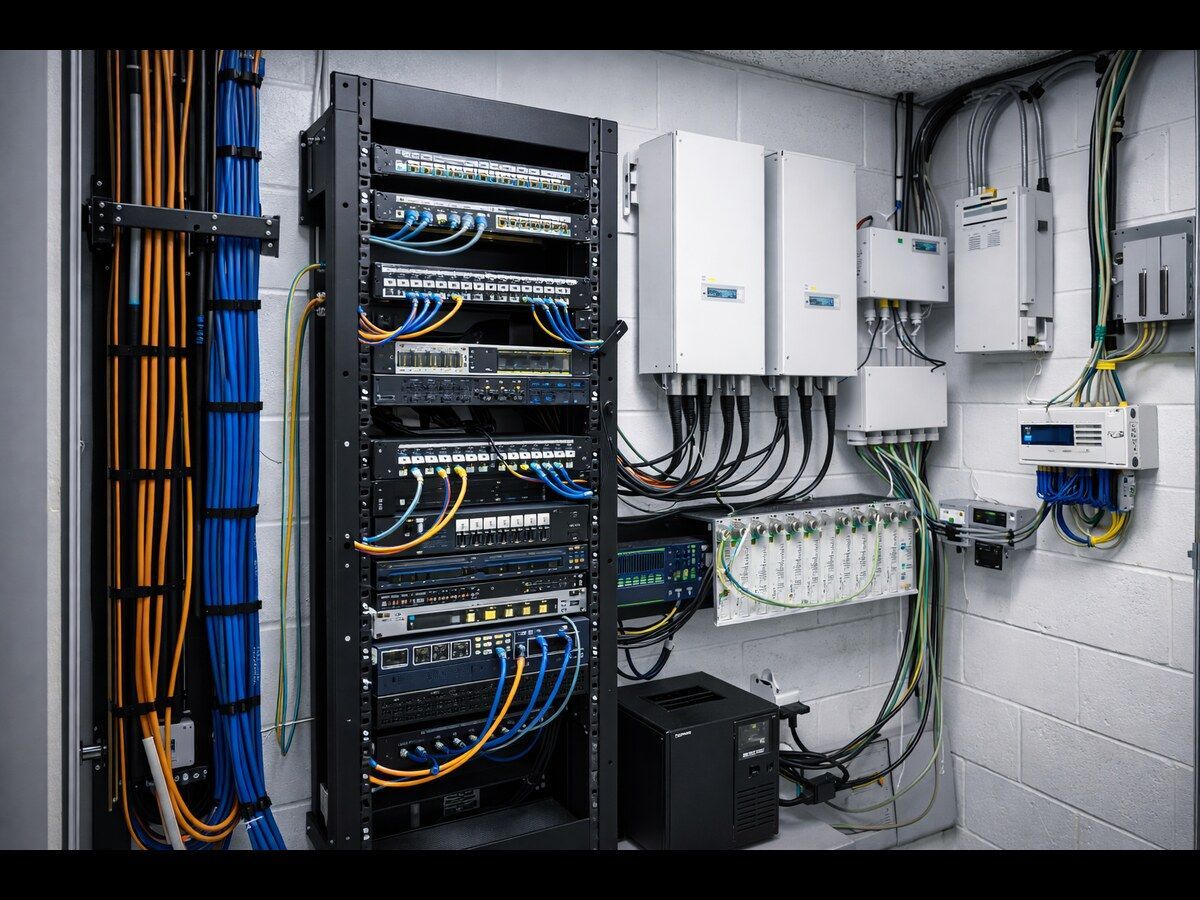
- Structured cable routing
- Labeling is clear, and the separation of devices
This well-organized setup makes the process of troubleshooting quicker and upgrades simpler, particularly for IT teams that manage complicated systems.
2. Protects Sensitive Network Hardware
Another crucial aspect of what an internet cabinet performs is to protect. Network equipment is vulnerable to damage caused by dust, accidental damage as well as unauthorized access.
Network cabinets assist in:
- Protecting devices from dust and dirt
- The prevention of accidental unplugging or physical injury
- Lockable doors that allow controlled access
This level of security is particularly important for shared office spaces in industrial environments as well as telecom equipment.
3. Enhances Network Security
Physical security is as vital in digital security. While encryption and firewalls protect the data while a network cabinet safeguards the hardware.
By restricting access to only authorized personnel, Network cabinets minimize the chance of:
- Tampering
- Theft of equipment
- Accidental configuration changes
If people ask what exactly a network cabinet accomplishes, security is a significant element of the solution.
4. Supports Proper Cooling and Ventilation
Network equipment produces heat, and too much heat can cause problems with performance or hardware malfunction. The right network cabinet can help keep airflow in check.
Most cabinets have:
- Doors and panels with ventilation
- Options for mounting a fan
- Space to allow air circulation
Properly cooling devices not only increase the life span of devices, but also ensures a consistent performance on networks.
5. Improves Cable Management
The messiest cables are not just a nuisance. They can create interference with signals, make maintenance difficult and can increase the time it takes to repair.
Network cabinets provide an organized cable management system that includes:
- Managers of horizontal and vertical cable
- Entry points to organize routing
- Reducing pressure on ports and cables
This demonstrates the purpose of an office cabinet for networks accomplishes: it keeps everything clean, efficient and professional.
6. Saves Space and Improves Layout
In office spaces and telecom rooms in rooms with limited space Network cabinets can help increase the space available. Floor-standing or wall-mounted cabinets allow companies to select the option that is the best fit for their space.
By consolidating equipment into a single enclosure, network cabinets:
- Reduce clutter
- Improve room aesthetics
- Make the most of vertical space
7. Makes Maintenance and Scaling Easier
As businesses expand and expand, their networks must grow in size. A well-installed network cabinet will allow for easy expansion without disrupting current operations.
Technicians can:
- Add new devices quickly
- Access equipment and accessories without removal
- Perform routine maintenance effectively
This flexibility is a major reason that network cabinets are more of a long-term investment than a quick fix.
Where Are Network Cabinets Commonly Used?
To understand more about what a network cabinet actually do is to understand what they do:
- Office IT rooms
- Data centers
- Telecom services
- Manufacturing plants
- Retail stores
- Institutions of education
Wherever reliable infrastructure for network connectivity is required and a network cabinet is crucial roles.
How to Choose the Right Network Cabinet
All network cabinets are not identical. Deciding on the best one is based on a variety of aspects:
- Rack units and size (U) needed
- What kind of equipment is being used
- Needs for airflow and cooling
- Indoor or outdoor usage
- Future expansion plans
A carefully selected cabinet will ensure that your network's efficiency as well as secure and future-proof.
Why Network Cabinets Matter More Than Ever
With increasing dependence on cloud-based solutions, IoT devices, and high-speed connectivity, the reliability of networks is becoming a must. Knowing what an internet cabinet accomplishes helps companies understand the impact an efficient infrastructure has on security, uptime, as well as operational effectiveness.
A high-quality network cabinet is more than a storage device, but it's also a base to ensure stable and scalable network performance.
Also, check What is a cabinet air conditioner?
Frequently Asked Questions (FAQs)
1. What can the network cabinet do in an office setting?
A network cabinet is a place to organize the security and organization of the network equipment within an office and ensures clean cabling, more airflow, as well as less maintenance.
2. Do you need a network cabinet for small companies?
Yes. Even small-sized businesses can benefit from network cabinets because they can reduce clutter, increase the security of their networks, as well as make expansion of the network simpler.
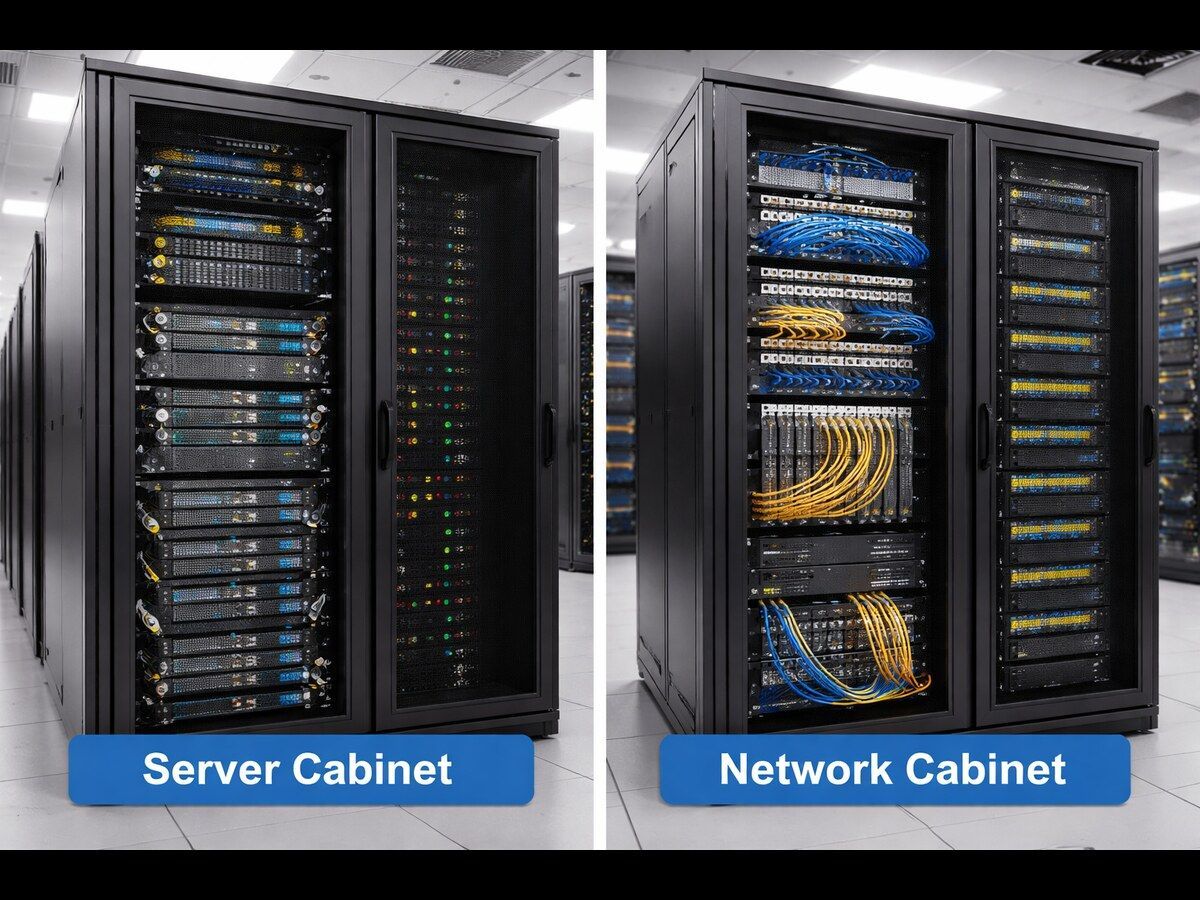
3. What's the distinction between a server and a network cabinet? rack?
Network cabinets are completely covered with doors and panels that provide additional security and protection, as a server rack is generally open and utilized in controlled areas.
4. What can a network cabinet do to help in cooling?
Network cabinets come with fan options, ventilation and airflow routes that help disperse heat and stop equipment from overheating.
5. Can network cabinets be utilized in outdoor installation?
Yes. Outdoor network cabinets that are specially designed for outdoor use are made of weatherproof material to shield the equipment from rain, heat, dust, and humidity.
Final Thoughts
What does the network cabinet accomplish? It provides order, security and efficiency to your network infrastructure. It can be used for everything from organizing cable and equipment to enhancing airflow and scaling. A network cabinet is a vital element of every current IT environment.
If you're a business that relies on continuous connectivity, purchasing a top-quality network cabinet isn't an option; it's an excellent, future-proof investment.