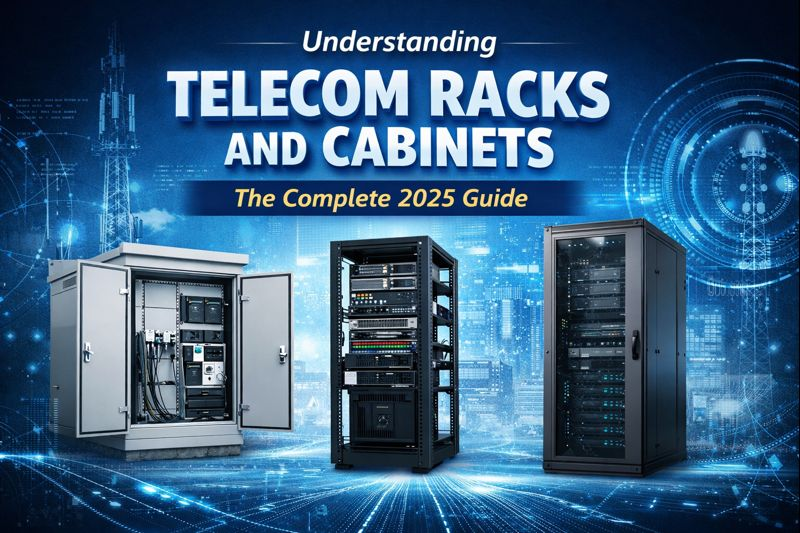
What Is a Cabinet Air Conditioner?
In the age of modern telecom, electrical, industrial and systems get smaller and more efficient, managing heat in equipment cabinets is now an enormous challenge. The excess heat can reduce equipment lifespan, trigger unexpected failures and raise maintenance costs. This is the reason why an air conditioner in a cabinet is crucial.
If you're working in a telecommunications cabinet or control panels, as well as outdoor enclosures, knowing the concept of what a cabinet's air conditioner does and the way it functions will help safeguard your equipment and ensure longevity of performance. In this article, we'll break down everything in simple terms. No technical details, only practical information.
What Is a Cabinet Air Conditioner?
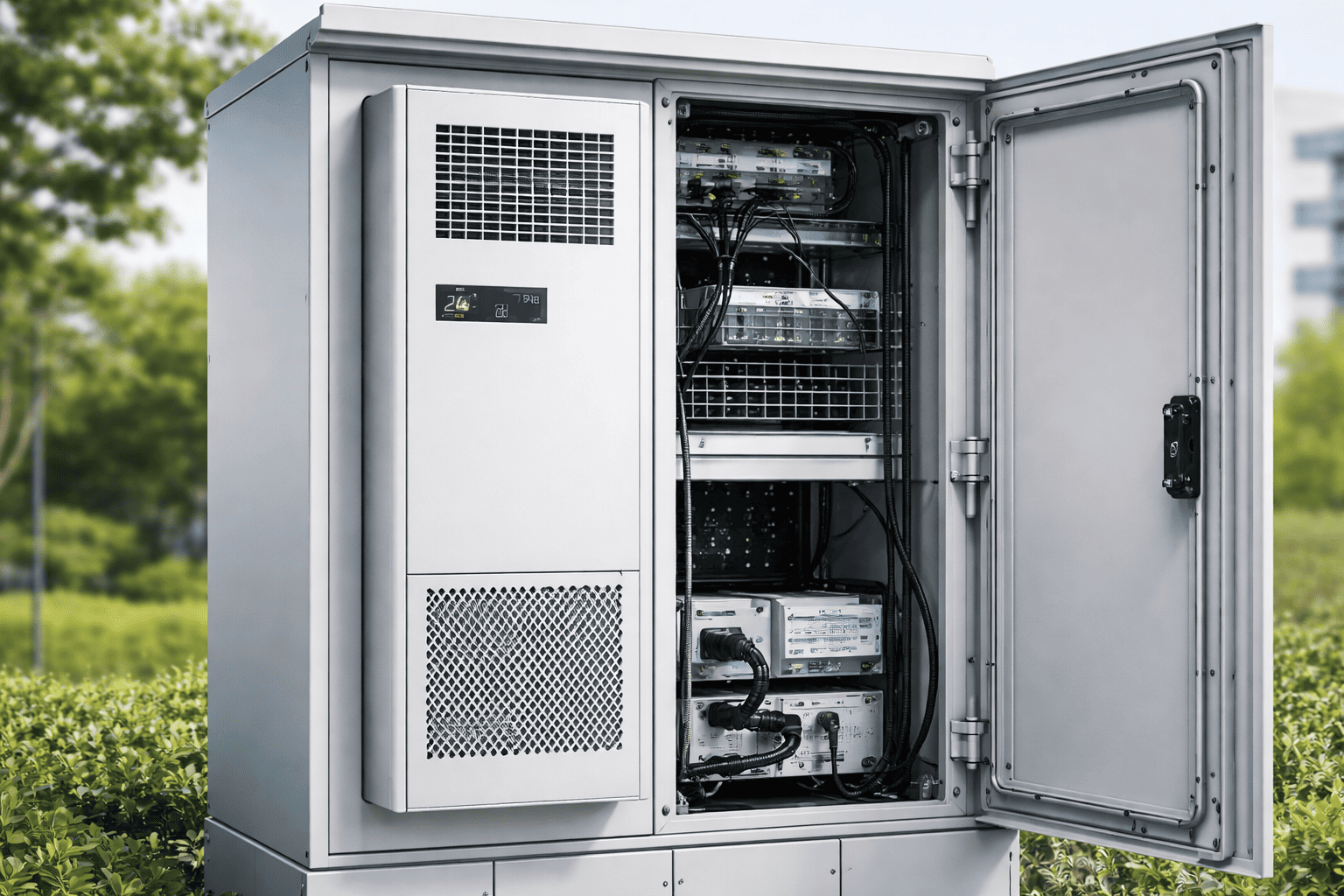
The cabinet air conditioner can be described as a small cooling device specifically designed to regulate temperature in closed cabinets like electrical panels, telecommunications cabinets and industrial enclosures. Contrary to conventional room air conditioners, these models are designed to cool equipment that is sensitive in enclosed environments, without allowing moisture, dust or other contaminants to get in.
The cabinet's air conditioning keeps an internal temperature that is stable regardless of weather conditions. The cabinet can be installed outside or indoors. The cooling unit guarantees the best operating conditions that are suitable for electronics.
Why Is a Cabinet Air Conditioner Important?
Electronic components produce the heat that they generate during their operation. If this heat accumulates within a cabinet, it can cause:
- Insensitive equipment can be overheated.
- The interference of signals in telecom networks
- The equipment's lifespan is decreased.
- Unexpected system shutdowns
- More expensive repair and replacement costs
An air conditioning unit in a cabinet can prevent problems like these by constantly taking out excess heat while maintaining the same internal temperature.
In the telecom industry that requires uptime, the cabinet air conditioner isn't an option but essential.
How Does a Cabinet Air Conditioner Work?
Cabinet air conditioners operate with the same basic refrigeration concept as conventional air conditioners; however, in a more tightly controlled and sealed form.
Here's how it works:
- The hot air in the cabinet is drawn into the unit.
- Heat is removed via the closed-loop cooling system.
- The cool air is circulated within the cabinet.
- Expelled hot air outside, without mixing with the air inside.
This closed-cycle process makes sure that the air inside remains dry, clean, and free of external pollutants.
Types of Cabinet Air Conditioners
Different applications require different cooling solutions. The most commonly used kinds of air conditioners for cabinets include:
1. Wall-Mounted Cabinet Air Conditioners
They can be placed on the sides or doors of a cabinet. They are perfect for telecommunication cabinets that have limited internal space.
2. Roof-Mounted Cabinet Air Conditioners
They are built on top of the cabinet. These units can be used to reduce side space and are commonly employed in outdoor installations.
3. Indoor Cabinet Air Conditioners
These are designed for controlled environments, such as control rooms and data rooms. centers.
4. Outdoor Cabinet Air Conditioners
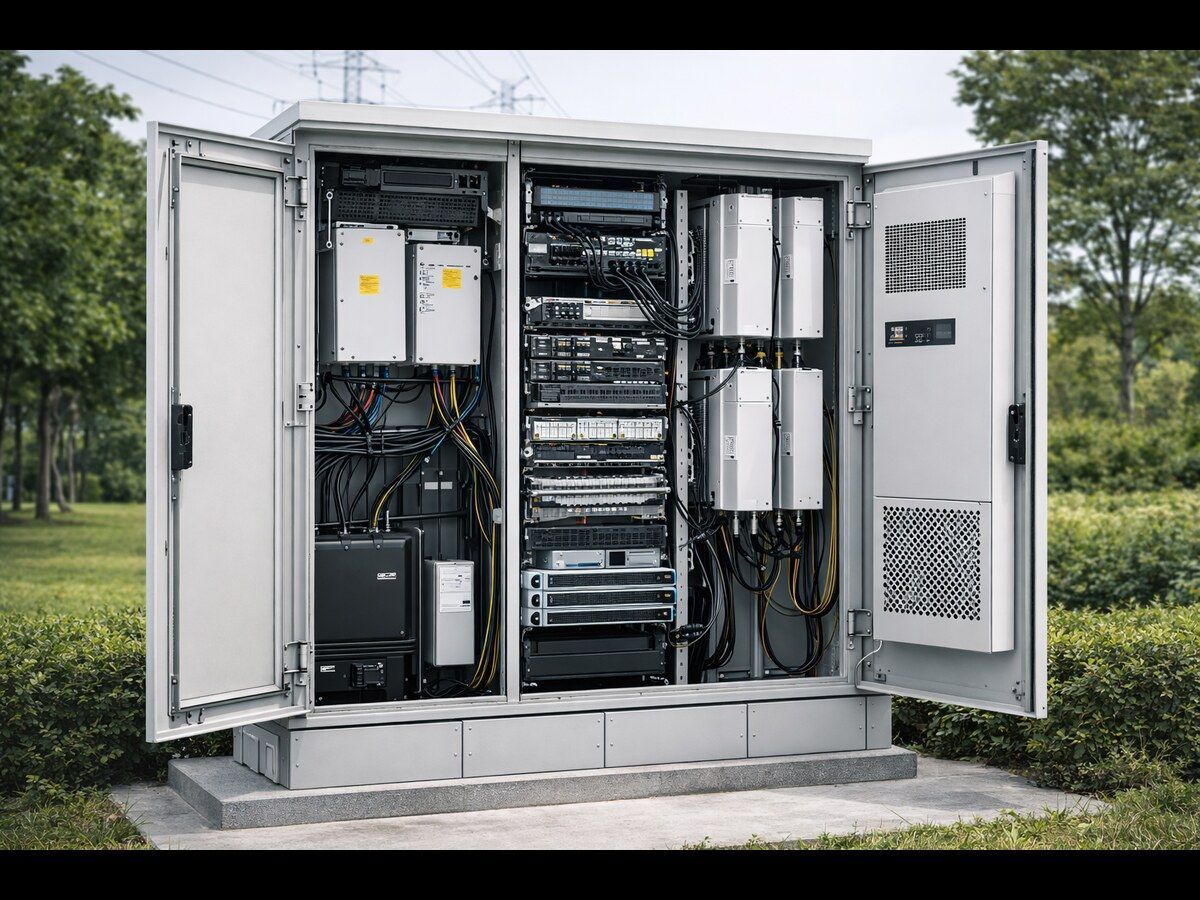
With weather-proofing components, the house can resist dust, rain as well as heat and humidity.
Where Are Cabinet Air Conditioners Commonly Used?
Air conditioners in cabinets are extensively utilized in a variety of industries, which include:
- Telecommunication cabinets
- Control panels for electrical power
- Industrial automation systems
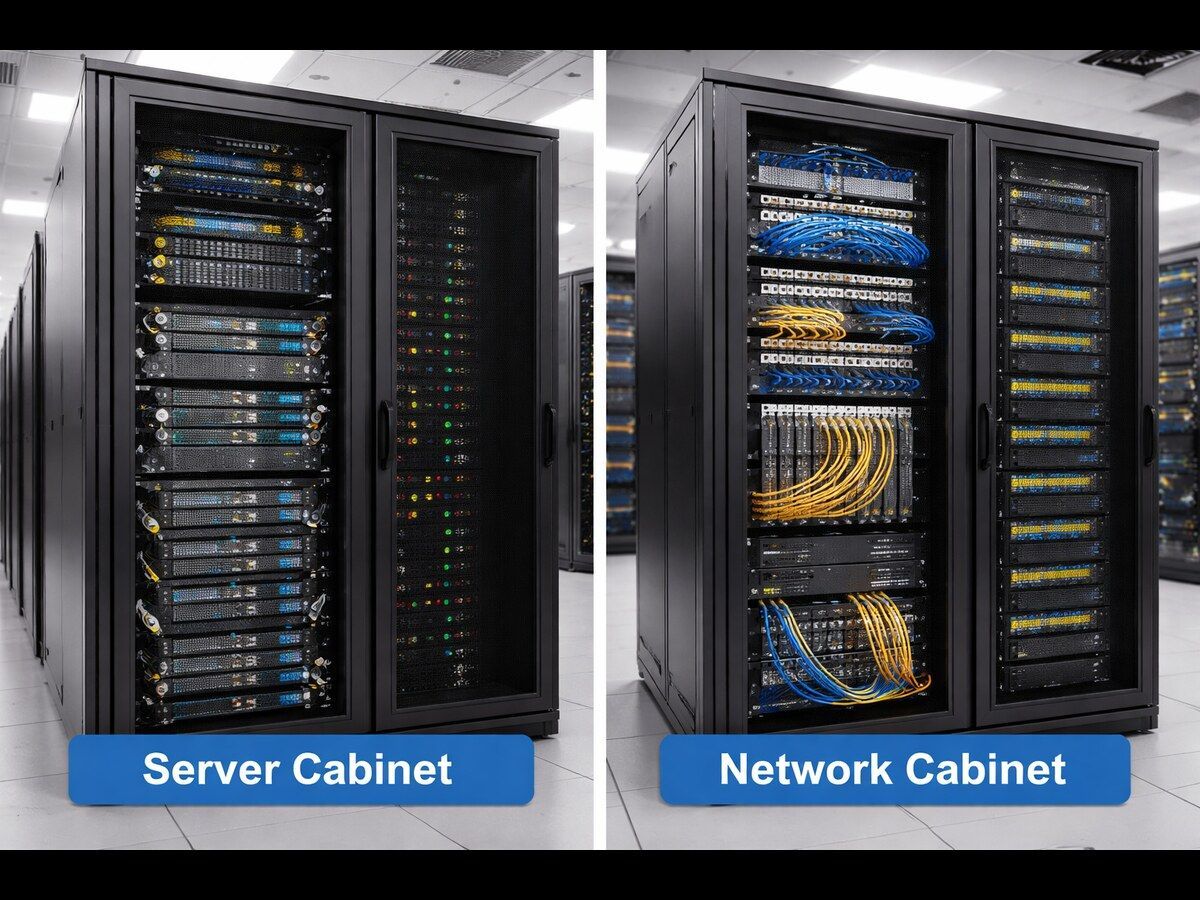
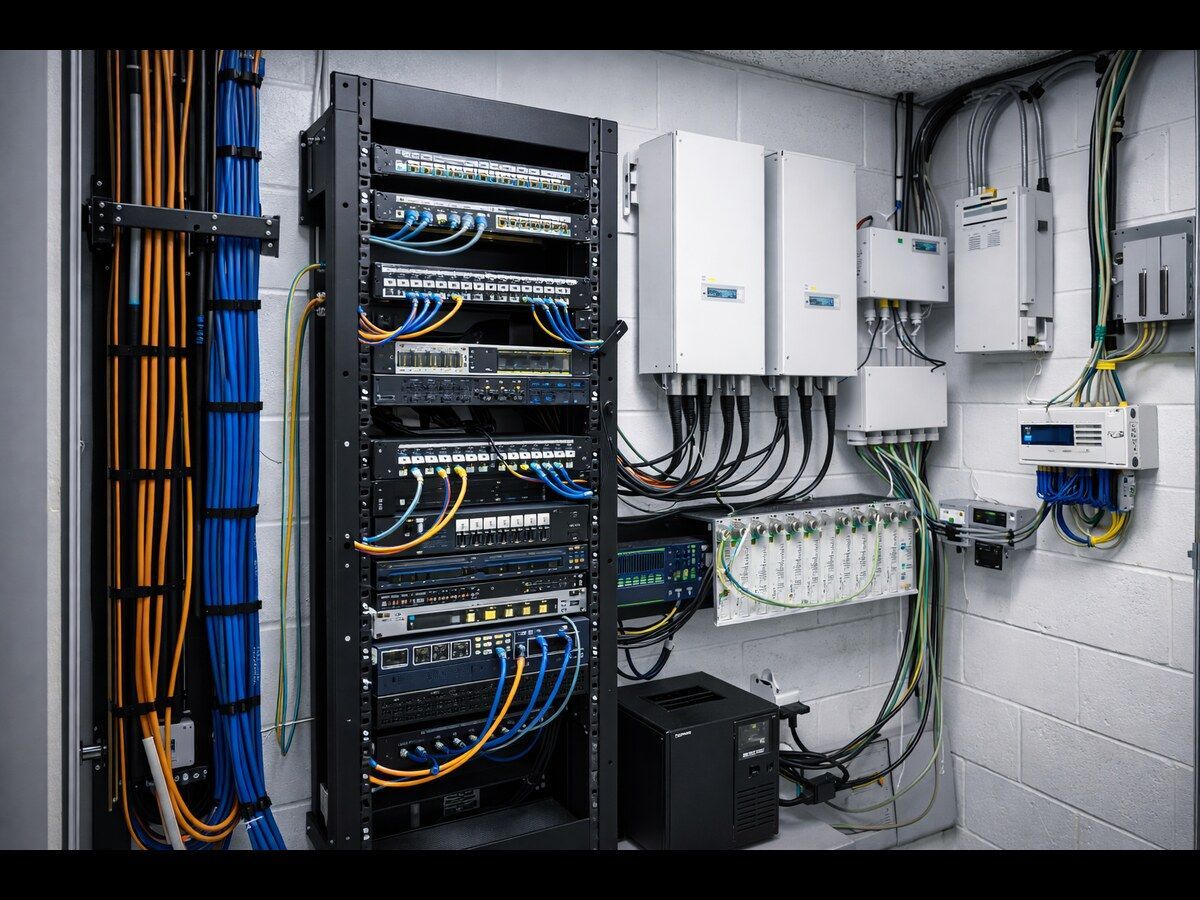
- Cabinets for the network and data
- Outdoor enclosures
- Power distribution cabinets
In the Iceberg Cabinet, cabinet air conditioning is often combined with telecommunication cabinets in order to provide total thermal protection.
Key Benefits of Using a Cabinet Air Conditioner
Installing a cabinet-mounted air conditioner can provide a variety of benefits over the long term:
Consistent Temperature Control
Maintains the optimal operating temperature for delicate equipment.
Equipment Protection
Helps prevent heat-related damage as well as system failures.
Improved System Reliability
This ensures that telecom systems are always in operation.
Extended Equipment Life
It reduces the wear and tear caused by stress.
Sealed Cooling Environment
The cabinet keeps moisture, dust and other pollutants out of the cabinet.
The Cabinet Air Conditioner. Alternative Cooling Strategies
Many people mistake cabinet air conditioners with other options, such as heat exchangers, fans, or other options. These are the differences:
- The fans circulate air, but don't reduce the temperature.
- Heat exchangers: Only work when the air outside is cooler
- Cabinet air conditioners keep cool, regardless of the weather conditions
If you are looking for telecom cabinets that operate in harsh or hot conditions, a cabinet air conditioner is the best solution.
How to Choose the Right Cabinet Air Conditioner
The selection of the best cabinet air conditioner is based on a number of variables:
- Cabinet size and layout
- The load of heat generated by equipment
- Indoor or outdoor installation
- Ambient temperatures
- Power availability
Selecting the right capacity will ensure effective cooling, without a lot of energy consumption.
Why Cabinet Air Conditioning Matters for Telecommunication Cabinets
The equipment used in telecommunications is extremely sensitive to temperature changes. A slight overheated condition can affect the quality of signals and performance of the system.
By the integration of an air conditioner in a cabinet with telecom cabinets, companies can:
- Maintain stability of the network
- Stop interruptions to service
- Protect high-value telecom equipment
- Reduce the long-term maintenance cost
Cabinet air conditioners are an essential component of the current telecom infrastructure.
Also, check what is telecommunication cabinet
FAQs About Cabinet Air Conditioners
1. What is the function of a cabinet air conditioner?
The primary function of an air conditioner in a cabinet is to regulate and maintain the temperature of electronic equipment in sealed cabinets.
2. Can a refrigerator cooling unit be utilized outside?
Yes, outdoor air conditioners are designed to withstand extreme weather conditions, while also providing stable cooling.
3. What makes a cabinet air conditioner distinct from a standard AC?
Cabinet air conditioners are small, sealed and specifically designed to be used in enclosures for equipment while a standard AC is designed to cool large spaces.
4. Do telecommunications equipment require air cooling?
Yes, telecommunications cabinets usually require air conditioning to avoid overheating, to ensure stability and shield delicate components.
5. What do I need to know about the size of the cabinet air conditioner I require?
The proper size is determined by the dimensions of the cabinet, the temperature load and the environmental conditions. Proper heat load calculation ensures optimal performance.
Final Thoughts
Knowing what a cabinet air conditioner does can help you determine how to safeguard your electrical and telecom equipment. As technology advances and small, dependable thermoregulation is no longer a luxury.
A top-quality cabinet air conditioner guarantees steady performance, minimizes time to repair, and prolongs the lifespan of the equipment. When combined with sturdy Telecommunication cabinets made by Iceberg Cabinet, it creates an all-inclusive and secure enclosure that is designed to meet modern infrastructure requirements.
If you're looking to replace or upgrade your telecommunications cabinets, investing in the correct Cabinet air conditioner can be among the best decisions you can make.